

What Makes Transitional Home Designs So Popular
Transitional home designs combine the warmth of traditional style with the clean lines of modern design. This balanced approach creates homes that feel both timeless and fresh, making them incredibly popular.
Key characteristics of transitional home designs:
- Exterior features: Mixed materials (stone, siding, brick), large windows, clean lines, minimal ornamentation
- Interior elements: Open-concept floor plans, neutral color palettes, comfortable furniture, natural light
- Style balance: Less formal than traditional, warmer than contemporary
- Flexibility: Adapts to different lifestyles and architectural influences
- Appeal: Broad market appeal that increases home value
As one design expert notes, “Transitional house plans strike a perfect balance between classic charm and modern sophistication, making them a popular choice for today’s homeowners.”
This style emerged as homeowners sought spaces that honored architectural history while meeting modern living needs. The result is a sophisticated blend offering the comfort of traditional design with the functionality of contemporary layouts.
Why homeowners love transitional designs:
- They’re not tied to one architectural period
- They work well in urban, suburban, and rural settings
- They allow for personal expression through furnishings
- They focus on livability over strict style rules
- They create inviting spaces for daily life and entertaining
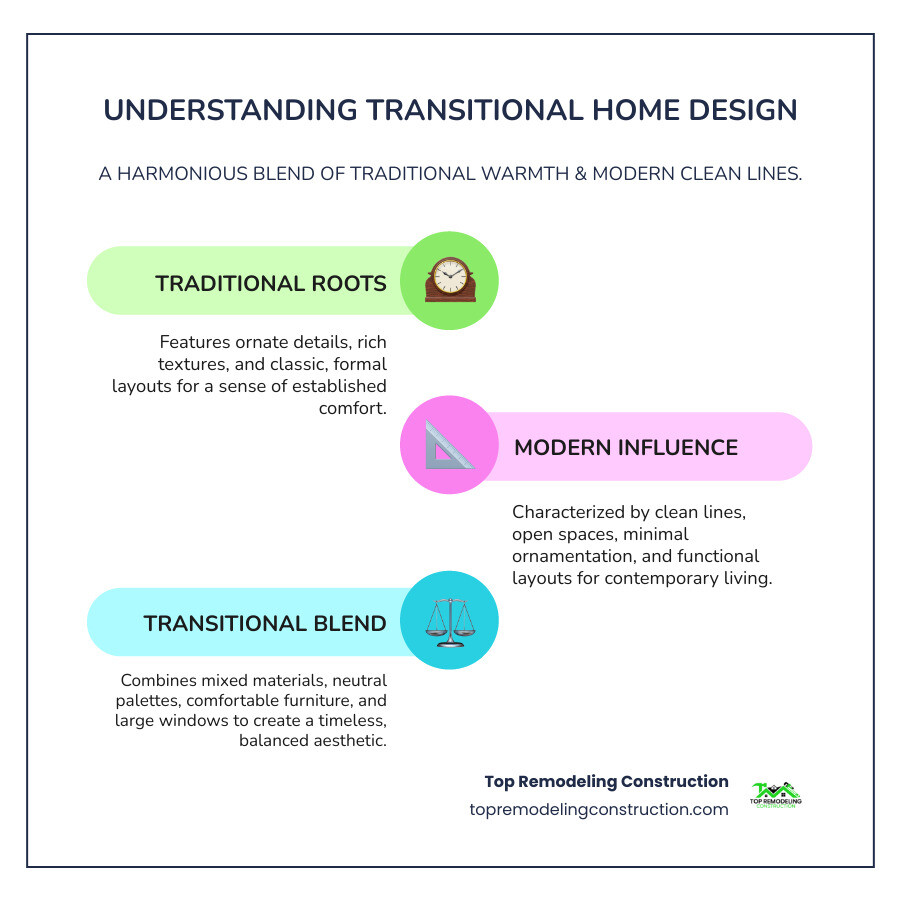
Important Transitional home designs terms:
The Core Elements of Transitional Home Designs
Transitional home designs create a perfect marriage between two different design worlds. It takes the cozy, welcoming feeling of traditional style and pairs it with the clean, uncluttered look of modern design. The result is a home that feels both timeless and fresh.
What makes this style special is how it creates spaces that never feel outdated. While other design trends fade, transitional design stays relevant by focusing on balance rather than extremes.
Key Exterior Features of Transitional Home Designs
When you see a transitional home design, the exterior tells a story of thoughtful balance, looking both familiar and modern.
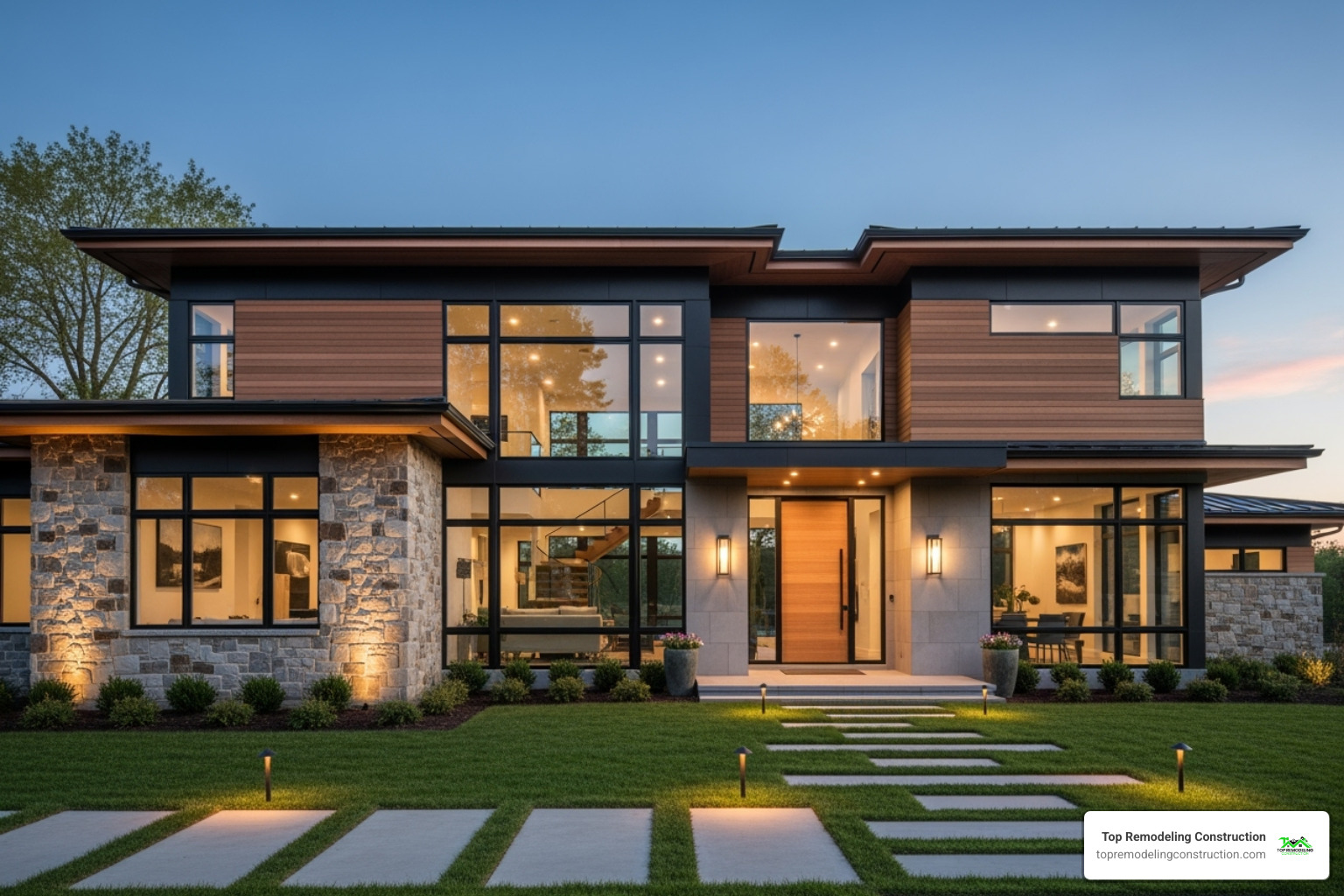
Mixed materials create visual interest without being overwhelming. You might see warm brick paired with sleek metal accents, or classic wood siding alongside contemporary panels. This combination adds depth and character while keeping things sophisticated.
Clean lines replace the ornate details of traditional homes. Transitional exteriors use simpler, streamlined forms for a refined look.
Large windows are a hallmark feature, often arranged in pleasing, symmetrical patterns. They flood the interior with natural light and create an important connection between indoor and outdoor spaces.
Many transitional homes feature welcoming front porches that provide warmth and hospitality, hinting at the comfort inside.
The rooflines often feature varied heights and pitches—perhaps a traditional gabled section paired with flatter, more contemporary areas. This creates visual interest while maintaining harmony.
What you won’t find is excessive ornamentation. Minimal decorative elements let the quality of materials and simple forms speak for themselves. This restraint gives transitional homes their timeless appeal.
If you’re thinking about updating your home’s exterior, more info about updating house exteriors can help you explore options.
Key Interior Features of Transitional Home Designs
Step inside a transitional home design, and you’ll feel the difference. These interiors are designed for real life—beautiful and incredibly livable.
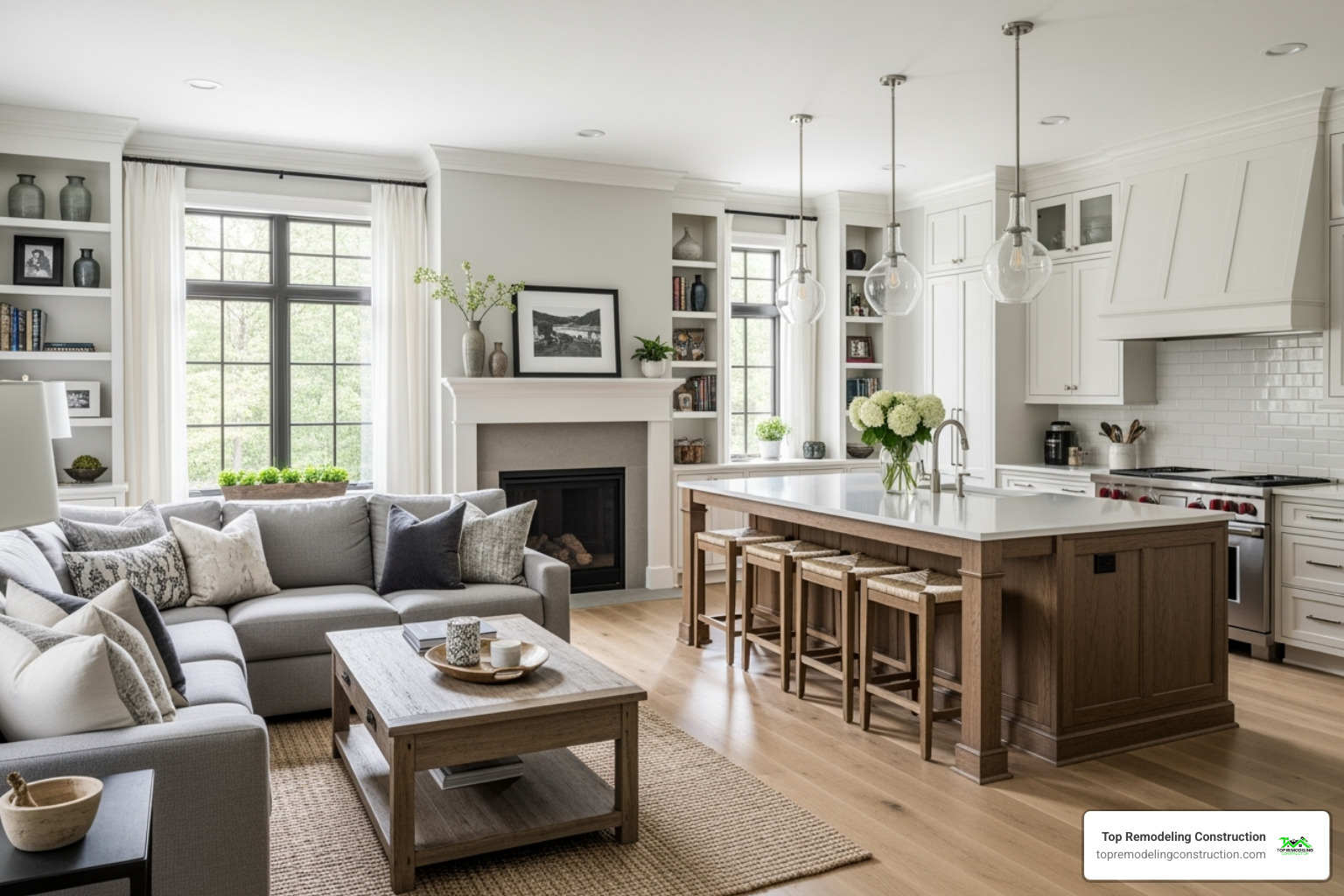
The foundation of most transitional interiors is the open-concept floor plan. Living areas flow seamlessly into dining spaces and the kitchen. This creates a sense of spaciousness and makes daily life and entertaining easier.
Abundant natural light is another key player. Those large windows flood rooms with sunshine, making spaces feel larger and more welcoming.
The color story revolves around soothing neutral palettes. Think warm taupes, soft tans, sophisticated greige, and creamy vanillas. These carefully chosen hues create a calm, serene backdrop. Dark brown accents often add depth and richness.
To keep neutral spaces from feeling flat, textural fabrics play a starring role. Soft linens, cozy chenille, rich suede, and comfortable corduroy add layers of tactile interest, making spaces feel more inviting.
A charming aspect of transitional interiors is the blend of old and new elements. You might see traditional crown molding paired with sleek, modern light fixtures, creating sophisticated contrast.
Comfortable furniture is non-negotiable. Seating is polished yet feels comfortable, with clean lines softened by plush upholstery and welcoming proportions.
The approach to accessories follows a “less is more” philosophy. Transitional spaces feature selected pieces that add visual interest without creating clutter.
Common interior features include:
- Flexible spaces that adapt as family needs change
- Mixed finishes blending traditional warmth with contemporary style
- Primary suites positioned for privacy and tranquility
- Ceiling treatments that honor both classic and modern sensibilities
- Bonus rooms that can serve multiple purposes
These elements work together to create homes that support how families live today while maintaining a timeless appeal.
Transitional vs. Traditional and Contemporary Styles
Understanding where transitional design fits in helps explain its appeal. It takes the best traits from both traditional and contemporary styles while avoiding their potential drawbacks.
When deciding between a formal traditional home and a sleek contemporary space, transitional design offers a compelling third option.
How Transitional Design Creates a Unique Balance
The magic of transitional home designs happens in the sweet spot between two different design philosophies.
Traditional warmth brings elements we love about classic homes: comfortable furniture, familiar proportions, and spaces designed around family life. There’s something satisfying about a room that feels like it has history and character.
Contemporary simplicity, on the other hand, gives us the clean lines and open layouts that make modern life easier. It removes visual clutter, maximizes natural light, and creates functional spaces for how we live today.
A harmonious middle ground emerges when these two approaches meet. Transitional design creates spaces that are comfortable without being stuffy, and fresh without feeling cold. It’s warmer than pure modern design and cleaner than traditional styles.
Here’s how the three styles compare across key design elements:
| Feature | Traditional Style | Transitional Style | Contemporary Style |
|---|---|---|---|
| Color Palette | Rich, deep, jewel tones; intricate patterns | Neutral hues (taupes, greys, creams); subtle textures | Bold, contrasting colors; monochromes; stark whites |
| Furniture | Ornate, heavy, classic silhouettes; matching sets | Clean lines, comfortable, medium scale; mix of materials | Sleek, minimalist, often abstract; unique shapes |
| Layout | Formal, compartmentalized rooms; distinct functions | Open-concept, fluid spaces; functional zones | Open, expansive, minimalist; emphasis on negative space |
| Ornamentation | Abundant, decorative, historical motifs | Minimal, curated, selected accents; subtle detailing | Sparse, functional, sculptural; often metallic |
| Materials | Dark woods, heavy fabrics, intricate carvings | Mixed materials (wood, metal, glass); varied textures | Steel, glass, concrete; highly polished surfaces |
Transitional style is less ornate than traditional design without sacrificing warmth. You won’t find heavy drapery or elaborate furniture, but you will find beautiful natural materials. At the same time, it’s warmer than modern design, incorporating soft textures and inviting color palettes that make spaces feel like home.
If you’re considering updating your kitchen to capture this balanced approach, transitional design can bring together classic functionality with contemporary convenience. More info about modern kitchen ideas.
Popular Architectural Influences
Transitional home designs can draw inspiration from various architectural traditions to create something entirely fresh.
Farmhouse elements bring down-to-earth charm. Think wide front porches, natural wood beams, and large windows. In a transitional context, these features get a sophisticated update, like sleeker porch railings or beams paired with contemporary lighting.
Craftsman details add honest, handcrafted touches that speak to quality. Built-in bookcases, natural stone accents, and beautiful woodwork can all find their place, streamlined and integrated into more open floor plans.
French Country touches contribute a relaxed elegance with soft color palettes, natural stone, and gentle curves that soften contemporary design’s clean lines.
European classicism provides a foundation of timeless proportions and balanced facades that are naturally pleasing.
It’s worth noting the Modern Farmhouse distinction. While modern farmhouse focuses on updated rural elements, transitional design can blend farmhouse features with French country elegance or Craftsman details. This allows you to create a personalized blend that reflects your unique style.
This eclectic approach means your home can tell your story. Transitional design lets you have both cozy farmhouse feelings and clean contemporary lines, creating spaces that are both personal and universally appealing.
Benefits and Practical Applications of Transitional Style
Transitional home designs go beyond visual appeal; this style is about building a home that works for the way we live today. Homeowners often describe wanting a home that feels both comfortable and sophisticated, timeless yet fresh—which is exactly what transitional design delivers.
The beauty of this approach lies in how it creates spaces that adapt to real life. Whether you’re hosting a dinner party or helping with homework, these homes flow with your daily rhythms, growing with you.
Why Choose a Transitional House Plan?
Choosing a transitional house plan makes sense on multiple levels. For many families who are unsure what style they want, transitional design is the perfect fit.
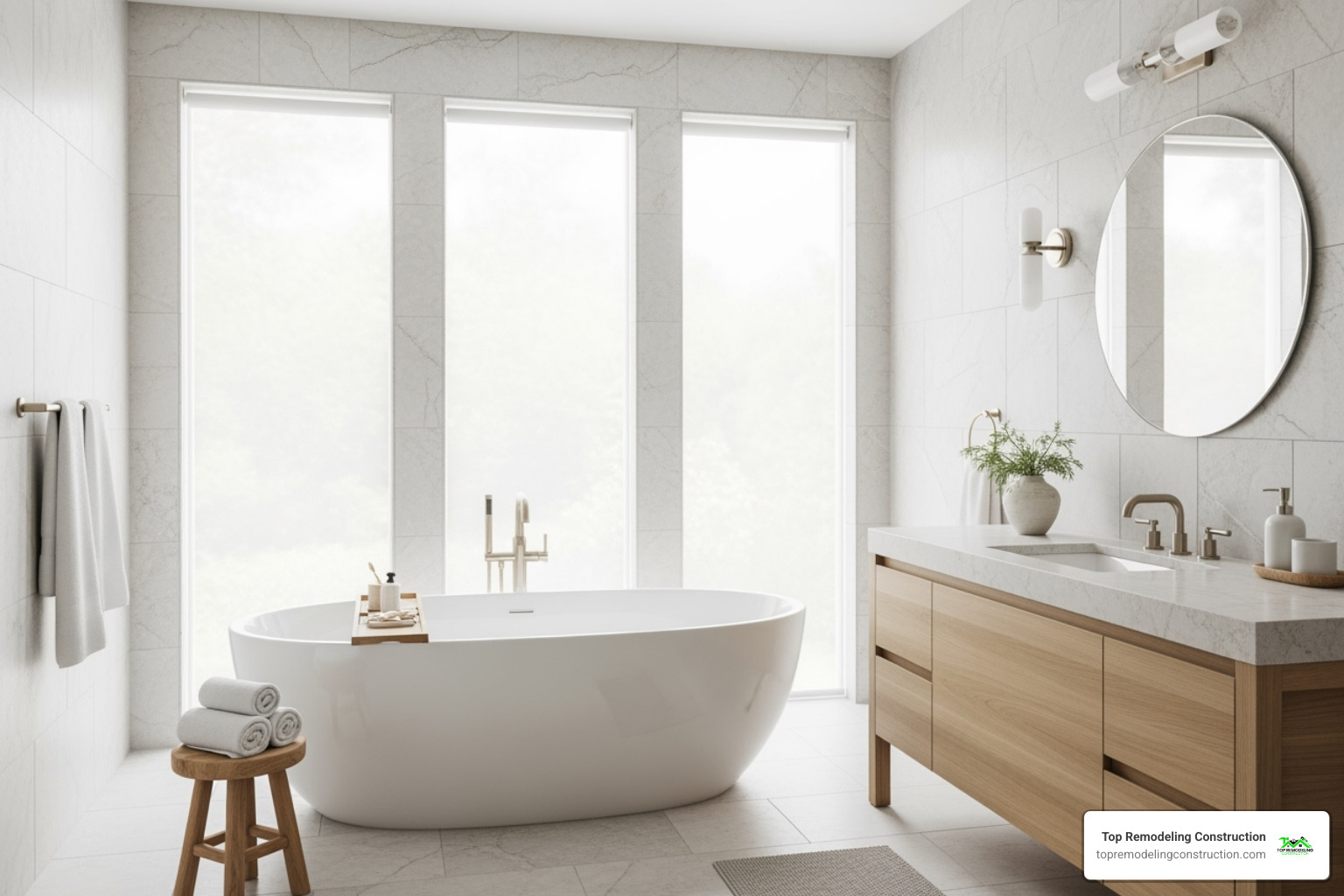
The timelessness factor is huge. Many home styles from twenty years ago already look dated. Transitional designs sidestep this by blending classic elements with modern touches that feel current.
Flexibility is another game-changer. Life changes, and transitional homes adapt beautifully. An open-concept great room works for toddler playtime, teenage hangouts, or adult entertaining.
From a financial standpoint, the broad appeal of transitional style is a great investment. When it’s time to sell, the balanced aesthetic appeals to a wider range of people, often leading to better resale value.
What we love most is the comfort and livability. Every element is chosen with daily life in mind. The furniture is comfortable, the lighting is inviting, and the flow between rooms is practical for families.
Transitional homes are particularly adaptable to family needs. These spaces can transform from quiet coffee spots to busy homework stations to dinner party venues in the same day. Open layouts create gathering spaces while providing cozy nooks for alone time.
These homes are also perfect for entertainers. Guests flow naturally from the kitchen to living areas, creating a relaxed atmosphere for conversation.
When we help families create these spaces, we’re helping them invest in their future happiness. More info on home renovations to increase value.
Materials, Palettes, and Urban Suitability
The magic of transitional home designs comes alive in the details—the materials and colors you choose. These elements work together to create overall warmth and sophistication.
Soothing neutral hues like taupes, tans, greige, and vanillas form the backbone of the style, creating a wonderful sense of calm. They are the perfect backdrop that lets other elements shine.
We often add dark brown for depth, as light neutrals need something to ground them. A rich chocolate brown in flooring or cabinetry prevents the space from feeling washed out.
Pops of color through art and accessories keep things interesting without overwhelming the peaceful vibe.
Natural materials are where transitional design shows its heart. Wood brings warmth, stone adds a timeless, solid feeling, and touches of rattan soften clean lines.
Metallic accents like brushed brass hardware or a sleek chrome faucet provide the right amount of sparkle and a contemporary edge.
Surprisingly, transitional design works beautifully in urban settings. It creates serene, sophisticated spaces that feel like a peaceful retreat from city chaos.
The smart space planning in transitional design is perfect for city homes. Open layouts make small spaces feel larger, while built-in storage keeps clutter at bay. It’s about making the most of your space without sacrificing style or comfort.
These material and color choices create spaces that feel current and timeless, whether in a downtown condo or a suburban home. More info about custom bathroom designs.
Frequently Asked Questions about Transitional Homes
When homeowners are drawn to transitional home designs, they often have thoughtful questions. It’s a significant investment, so ensuring it’s the right choice for your family and budget is key. Let’s explore the most common concerns.
Are transitional house plans more expensive to build or remodel?
Here’s some great news: transitional house plans are often more budget-friendly than you’d expect. This sophisticated style doesn’t necessarily come with a premium price tag.
The beauty of transitional design is its smart approach to materials and planning. It focuses on timeless materials that have proven their worth, like classic wood siding, natural stone, and quality brick, which deliver lasting beauty without breaking the bank.
Smart space planning is another cost advantage. Open-concept layouts are incredibly efficient, so you’re not paying for wasted space. Families often get more functional living area for their dollar with transitional plans.
The real magic is with selective modern updates. Instead of a full gut, transitional design lets you be strategic, pairing traditional crown molding with modern fixtures, for example. This approach offers budget flexibility that works for real families.
We work with clients to align their vision with their budget, and transitional design offers plenty of room for creative, cost-effective solutions. More info on average renovation costs.
How do you accessorize a transitional home?
Accessorizing a transitional home design is about choosing the right pieces that work together harmoniously. The secret is a less is more approach that lets each item shine.
Think quality over quantity. Choose minimal accessories that make a real impact. A single stunning ceramic vase is more impactful than a dozen scattered trinkets.
Carefully selected items are key. Look for pieces that bridge traditional and modern sensibilities, like an antique brass lamp with a simple shade. These pieces feel both familiar and fresh.
Large-scale art is a favorite way to add personality without clutter. A single oversized painting can transform a room and create a focal point.
The real secret weapon is focusing on texture over clutter. Layering different textures through throws, pillows, and rugs adds visual interest and warmth without adding visual noise.
Don’t forget statement lighting fixtures. A gorgeous chandelier or a sculptural floor lamp can serve as functional art, providing both illumination and style.
Can I incorporate smart home technology into a transitional design?
Yes! Transitional home designs and smart technology are perfect partners. The style’s emphasis on functionality and modern living makes it an ideal backdrop for today’s connected home features.
The key is seamless integration. Modern smart devices have clean aesthetics that complement transitional spaces. A sleek smart thermostat looks right at home next to traditional crown molding.
We love helping homeowners achieve this blending of technology with classic design. Picture a kitchen where traditional cabinetry houses smart appliances, or a living room with automated window treatments. It’s the best of both worlds.
Smart features in kitchens and living areas work especially well in the open-concept layouts of transitional homes. Integrated sound systems, smart lighting, and connected appliances improve daily life.
Smart technology improves function without disrupting style. Energy-efficient thermostats, invisible security systems, and lighting controls align perfectly with transitional design’s core principle of marrying beauty with practicality.
We’ve helped many families create homes that are as intelligent as they are beautiful, and transitional design provides the perfect foundation. More info on home theater installations.
Begin Your Timeless Home Change
Transitional home designs offer a perfect middle ground, creating spaces that are both neat and welcoming. A transitional home feels instantly comfortable yet undeniably sophisticated.
This style has staying power because it doesn’t chase fleeting trends. The secret to its endurance lies in its beautiful balance and natural adaptability to how we live.
By blending classic comfort with modern functionality, you create a home that’s uniquely yours. Perhaps you love traditional warmth but crave contemporary openness, or you appreciate clean lines but want inviting spaces. Transitional home designs give you permission to have both.
Your home should tell your story and adapt to your changing needs. It should work for Monday morning coffee and Saturday night dinner parties. That’s the beauty of transitional style—it grows with you.
At Top Remodeling Construction, we specialize in bringing these balanced designs to life. Our family-owned business understands that your home is where life happens. We take pride in our quality-focused services and competitive pricing, driven by seeing families fall in love with their spaces again.
Exceptional customer satisfaction comes from paying attention to the details that matter to you. We complete every project to your specifications, knowing a home is about how it makes you feel.
Whether you’re dreaming of a subtle refresh or a complete home change, we’re here to guide you. Let us help you create a transitional home design that’s not just beautiful, but perfectly custom to your life in Las Vegas, NV.

