Why Add an Attached Covered Patio? Benefits and Considerations
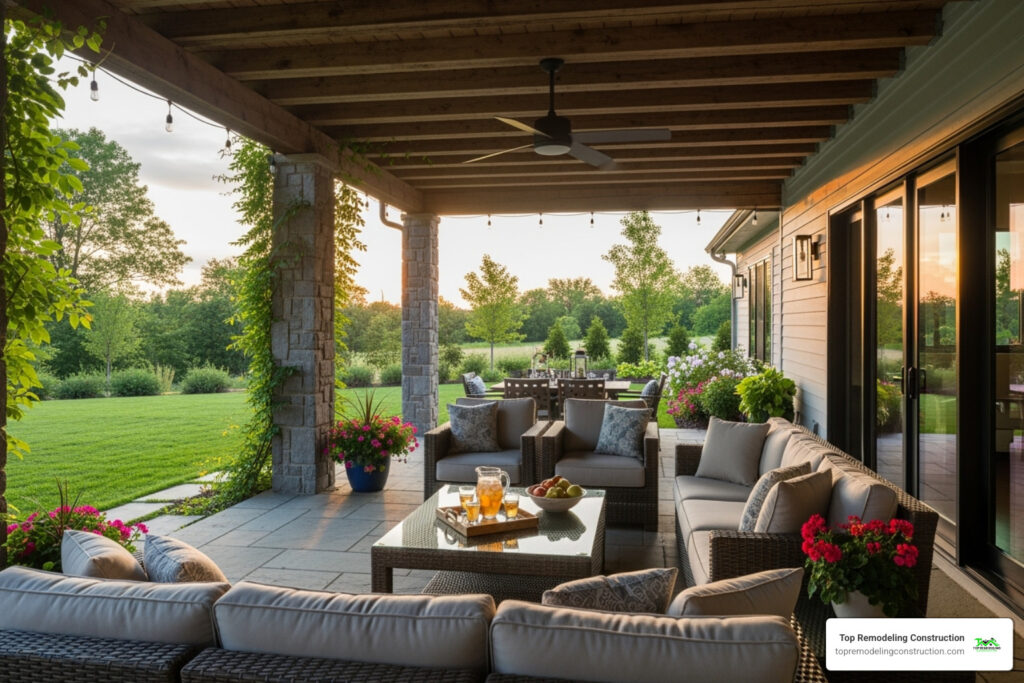
A covered patio attached to house creates the perfect blend of indoor comfort and outdoor living. This popular home addition extends your living space while providing protection from sun, rain, and other weather elements.
Quick Overview: Covered Patio Attached to House
- Cost Range: $10,000 – $50,000 for professional installation
- Key Benefits: Weather protection, increased home value, extended living space
- Popular Materials: Wood, aluminum, vinyl, composite decking
- Permit Requirements: Usually required for structures over 6 feet wide or 12 feet long
- ROI: Strong return on investment through increased property value
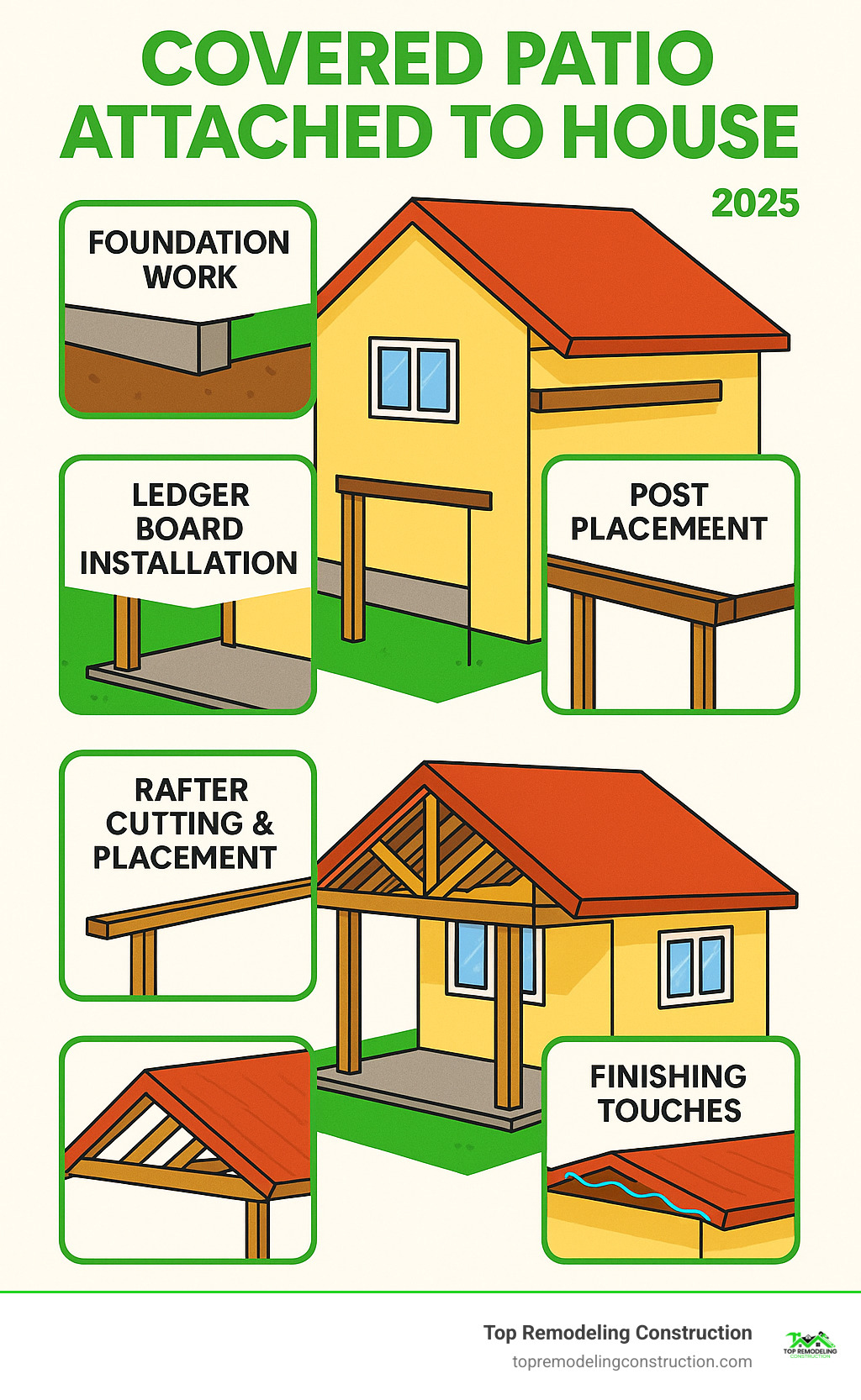
When homeowners like Helen dream of upgrading their outdoor space, an attached covered patio often tops the list. Unlike freestanding structures, these patios connect directly to your home’s existing roofline or wall, creating a seamless transition between indoor and outdoor living areas.
The typical cost of installing a covered patio onto an existing structure ranges between $10,000 and $50,000, depending on size, materials, and features. While this represents a significant investment, the benefits extend far beyond the initial expense.
The main advantages include:
- Year-round usability – enjoy your outdoor space regardless of weather
- Increased home value – outdoor living spaces are highly desirable to buyers
- Extended entertaining area – perfect for hosting family gatherings and parties
- Protection for outdoor furniture – shields your investment from the elements
However, it’s important to consider potential drawbacks like reduced natural light in adjacent interior rooms, ongoing maintenance requirements, and the need for proper permits and professional installation to ensure structural integrity.
The Upside: Expanding Your Lifestyle Outdoors
Adding a covered patio attached to house is akin to adding an extra room, but with the invigorating benefits of the outdoors. This addition seamlessly blurs the line between your indoor and outdoor living spaces, effectively making your home feel larger and more connected to nature.
One of the most significant advantages is the year-round usability it offers. Imagine enjoying your morning coffee outdoors, hosting a barbecue with friends, or simply relaxing with a book, all without worrying about scorching sun, sudden rain showers, or even light snow. A covered patio provides essential shade, making your outdoor area comfortable even during the hottest parts of the day.
This dedicated outdoor space is perfect for setting up a permanent dining area, an outdoor lounge, or even a cozy reading nook. It protects your outdoor furniture and electronics from the elements, extending their lifespan and ensuring they’re always ready for use.
Beyond personal enjoyment, a well-designed covered patio significantly increases your property’s value. Outdoor living spaces are highly sought after by homebuyers, and an attractive, functional patio can offer a strong return on investment. It’s considered one of the Top 10 Home Renovations to Increase Value, making it a smart investment for your home’s future.
Potential Drawbacks and How to Mitigate Them
While the benefits are compelling, it’s wise to consider potential drawbacks when planning your covered patio attached to house. Forewarned is forearmed, after all!
The primary consideration is, of course, the budget. As we mentioned, the typical cost for installing a covered patio onto an existing structure ranges between $10,000 and $50,000. This is a significant investment, and costs can escalate based on the size, materials chosen, and the complexity of the design. We always recommend getting a thorough estimate from a local contractor to understand the precise cost for your unique project.
Permit requirements are another crucial aspect. Many municipalities require a building permit for any substantial modification to your home, and a covered patio is no exception. If your covered patio addition will be more than 6 feet wide or 12 feet long, you will very likely need a permit from your local municipality. Building codes, such as the 2018 International Building Code, often have specific guidelines for patio covers. Building without a permit can lead to fines, stop-work orders, and even the forced removal of your new structure. We’ll dive deeper into permits shortly.
Potential for pests can also be a concern, especially with wooden structures. Termites and other insects can find a cozy home in untreated wood. This can be mitigated through proper material selection, treatments, and regular inspections.
One common concern is the impact on interior light. Attaching a roof structure can reduce the amount of natural light entering adjacent indoor rooms. However, this can be largely mitigated through thoughtful design. Consider incorporating skylights or using transparent or semi-transparent roofing materials like polycarbonate panels to allow light to filter through. Strategic placement and design choices can maximize light while still providing ample shade.
Finally, there’s the maintenance commitment. While some materials are lower maintenance than others, all outdoor structures require some care to ensure longevity. We’ll discuss specific maintenance tips later, but it’s important to factor this ongoing commitment into your decision. For more comprehensive information on home additions, explore our guide on Las Vegas Home Additions.
Planning Your Attached Patio: Design and Material Essentials
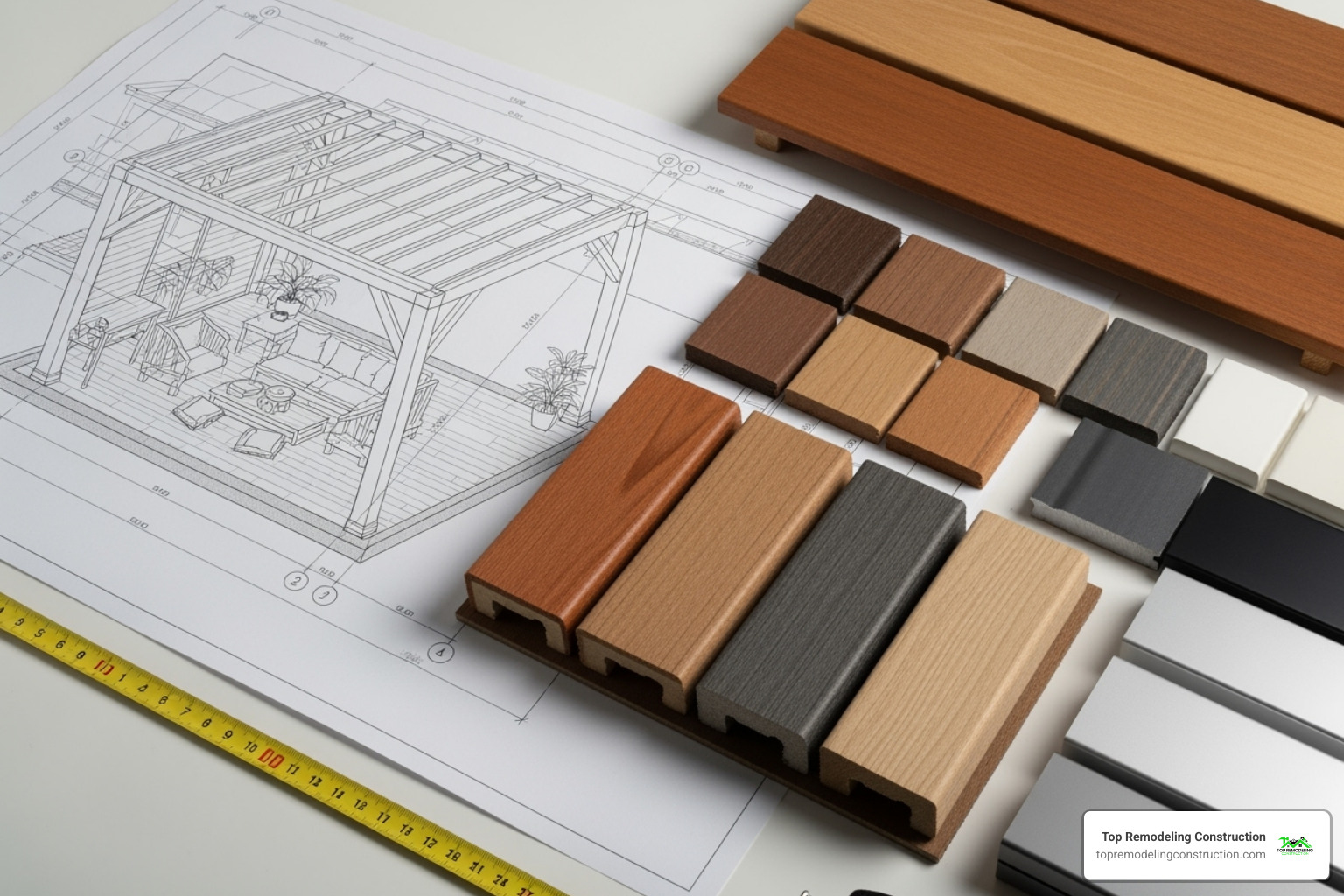
Planning your covered patio attached to house is like choreographing a dance between form and function. You want something that looks amazing, works perfectly for your lifestyle, and doesn’t break the bank. The secret lies in thoughtful architectural harmony, smart functionality choices, and careful budgeting that considers both upfront costs and long-term durability.
Climate considerations play a huge role in your planning process. If you’re dealing with intense summer heat, you’ll want to prioritize shade and ventilation. In areas with heavy rainfall, proper drainage becomes your best friend. The materials you choose need to stand up to whatever Mother Nature throws at them while maintaining their beauty year after year.
For detailed guidance on creating the perfect outdoor space, our Patio Project resource offers comprehensive insights into changing your vision into reality.
Key Design Considerations for a covered patio attached to house
Think of your covered patio attached to house as an outdoor room that happens to have a roof over it. The size and layout should flow naturally from how you actually plan to use the space. Are you dreaming of lazy Sunday morning breakfasts with the family? You’ll need room for a dining table and easy access to your kitchen. Planning to host backyard barbecues? Consider space for a grilling station and comfortable seating areas.
Matching your home’s aesthetic isn’t just about looking good (though that’s important too). It’s about creating a seamless transition that makes your outdoor space feel like a natural extension of your indoor living areas. A craftsman-style home might call for exposed beams and natural wood, while a contemporary house could shine with clean lines and modern materials.
The roof pitch and style deserve serious consideration because they affect both appearance and performance. A gable roof with its classic triangular shape offers excellent water runoff and timeless appeal. A hip roof slopes on all sides for a sleek, modern look that often requires less maintenance. Flat roofs work beautifully with contemporary designs, while a lean-to roof attached directly to your house wall provides practical, low-maintenance coverage.
Water drainage solutions aren’t glamorous, but they’re absolutely critical. Poor drainage can turn your dream patio into a soggy nightmare and potentially damage your home’s foundation. This means ensuring proper roof pitch, installing gutters where needed, and making sure water flows away from both your patio and house.
Don’t forget about electrical planning early in the design process. You’ll likely want lighting for evening gatherings, outlets for convenience, and ceiling fans to keep things comfortable during warmer months. These elements need to be planned before construction begins, not as afterthoughts. Our Custom Home Remodeling Services team can help you integrate all these elements seamlessly into your design.
Choosing the Right Materials: A Comparison
The materials you select for your covered patio attached to house will determine not just how it looks, but how it performs over time and how much maintenance you’ll be doing down the road. Let’s break down the most popular options so you can make an informed decision.
Wood remains a favorite for its natural beauty and versatility. Cedar offers natural resistance to insects and decay, making it an excellent choice for outdoor applications. It weathers to a beautiful silver-gray if left untreated, or you can maintain its rich color with regular sealing. Redwood provides similar benefits with its own distinctive appearance and natural durability. The downside? Wood requires more maintenance than other materials, needing regular sealing or staining to maintain its appearance and longevity.
Aluminum brings modern appeal with minimal maintenance requirements. It won’t rot, warp, or attract insects, and it handles weather extremes beautifully. Aluminum structures often cost less than wood initially and much less over time due to lower maintenance needs. The trade-off is a more industrial appearance that might not suit every home style.
Vinyl offers the ultimate in low-maintenance living. It won’t fade, crack, or require painting, and cleaning usually means just hosing it down occasionally. However, extreme temperatures can cause expansion and contraction, and some homeowners find the appearance less appealing than natural materials.
Composite decking combines the best of both worlds, offering wood-like appearance with improved durability. Made from recycled materials, it resists fading, staining, and insect damage while requiring minimal maintenance. The initial cost is higher than traditional wood, but the long-term savings in maintenance often make up the difference.
For roofing materials, you have several excellent options. Polycarbonate panels allow natural light to filter through while providing weather protection. Metal roofing offers exceptional durability and comes in various styles and colors. Traditional shingles can match your home’s existing roof for a cohesive look.
The key is balancing your budget, maintenance preferences, and aesthetic goals to find the perfect combination for your specific situation.