What Makes Contemporary Home Designs So Popular Today?
Contemporary home designs represent 21st-century architecture, blending simplicity with functionality to create spaces that are both sophisticated and livable. As one expert notes, “Contemporary floor plans accept a range of styles that emerged in the closing half of the 20th century. Design elements that showcase softened lines and encourage natural lighting.”
Key Features of Contemporary Home Designs:
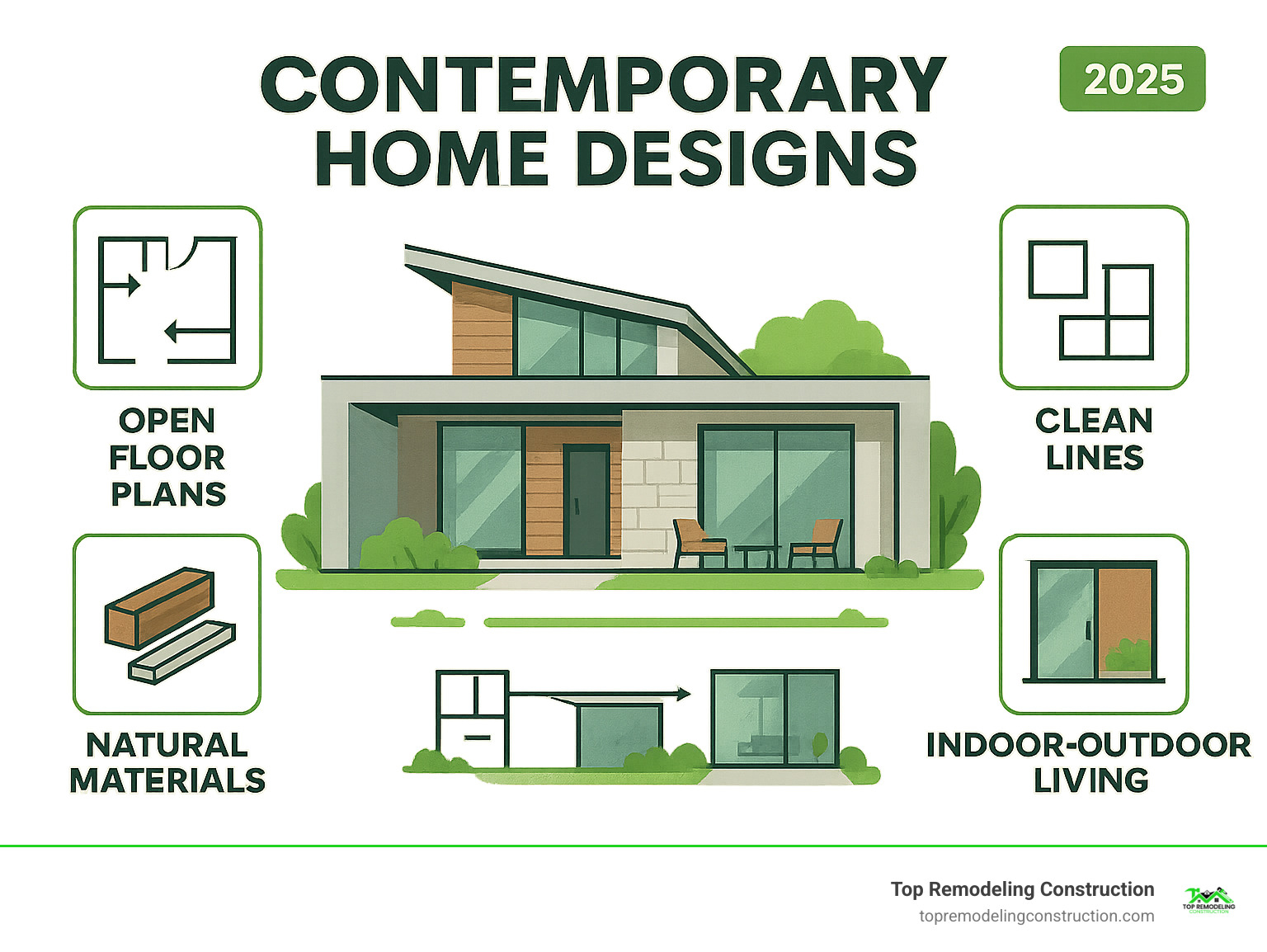
- Open floor plans that minimize interior walls and doorways
- Large windows strategically placed for maximum natural light
- Clean lines and geometric shapes on exteriors
- Natural materials like wood, stone, and glass
- Indoor-outdoor living through patios, decks, and sliding glass walls
- Minimalist decorative elements for uncluttered spaces
- Flexible layouts that adapt to changing lifestyles
Unlike rigid past styles, contemporary design is evolutionary—it adapts to reflect what’s new and trending. This makes it perfect for homeowners who want a home that works with modern life, not against it.
The beauty of contemporary design lies in its adaptability. Whether you’re planning a full remodel or updating specific rooms, its elements can transform any space to feel fresh, functional, and uniquely yours.
Contemporary vs. Modern: Clearing Up the Confusion
A common point of confusion in home design is the difference between “contemporary” and “modern.” The short answer is that they are not the same, and understanding this distinction helps clarify your vision for a home renovation.
Think of it this way: modern is like a vintage car—cutting-edge in its time, but now representing a specific era. Contemporary home designs, on the other hand, are like today’s newest car models—they’re what’s happening right now.
Modern architecture refers to a specific movement from the 1920s to the 1970s. Architects rejected ornate details in favor of clean, straight lines, industrial materials like steel and concrete, and the philosophy that “form follows function.” If an element wasn’t purposeful, it was eliminated.
Contemporary design is completely different. It literally means “of this moment,” so it’s always changing. What looked contemporary in the 1990s isn’t what we call contemporary today. It’s like fashion—always moving forward and adapting.
Interestingly, contemporary home designs can borrow elements from modern architecture, mix in traditional touches, and incorporate the latest sustainable materials. A contemporary home might have a classic brick exterior but feature a completely open, modern interior. It’s all about what works for how we live today.
| Feature | Modern Architecture | Contemporary Architecture |
|---|---|---|
| Time Period | Early to Mid-20th Century (1920s-1970s) | Present day; constantly evolving |
| Definition | A specific historical style; embodies modernism | Of the moment; reflects current trends and styles |
| Key Lines | Clean, straight, rigid | Clean, but can be softer; often incorporates curves and organic shapes |
| Materials | Steel, concrete, glass, often industrial | Natural materials (wood, stone), glass, concrete, steel, often blended; accepts new sustainable options |
| Ornamentation | Minimal; “form follows function” | Minimal, but can include decorative elements that are currently popular |
| Color Palette | Often monochromatic (whites, grays, blacks) | Wide range of palettes; often neutral but can incorporate pops of trending colors |
| Adaptability | Less adaptable; adherence to specific principles | Highly adaptable; blends various styles and features |
| Feel | Sleek, sometimes stark, minimalist | Warm, inviting, comfortable, yet sophisticated and minimalist |
The beauty of contemporary design is its flexibility. While modern architecture can feel cold or rigid, contemporary design focuses on creating spaces that feel warm and livable while still being sophisticated and uncluttered.
When planning your renovation, this distinction matters. If you love clean lines and a minimalist approach but want something current and adaptable, contemporary home designs are probably your sweet spot. They provide a sleek, uncluttered look while staying flexible enough to incorporate your personal style and the latest in home technology and sustainability.
The Defining Features of Contemporary Home Designs
In a contemporary home, every element feels purposeful yet effortless. These designs create spaces that breathe, flow, and connect in ways that suit modern lifestyles.
The heart of contemporary design is its open floor plans. Gone are the days of boxed-in rooms and narrow hallways. Instead, your kitchen flows into the dining area, which connects to the living room. This creates one beautiful, expansive space that adapts to life’s demands, from hosting dinner parties to helping with homework.
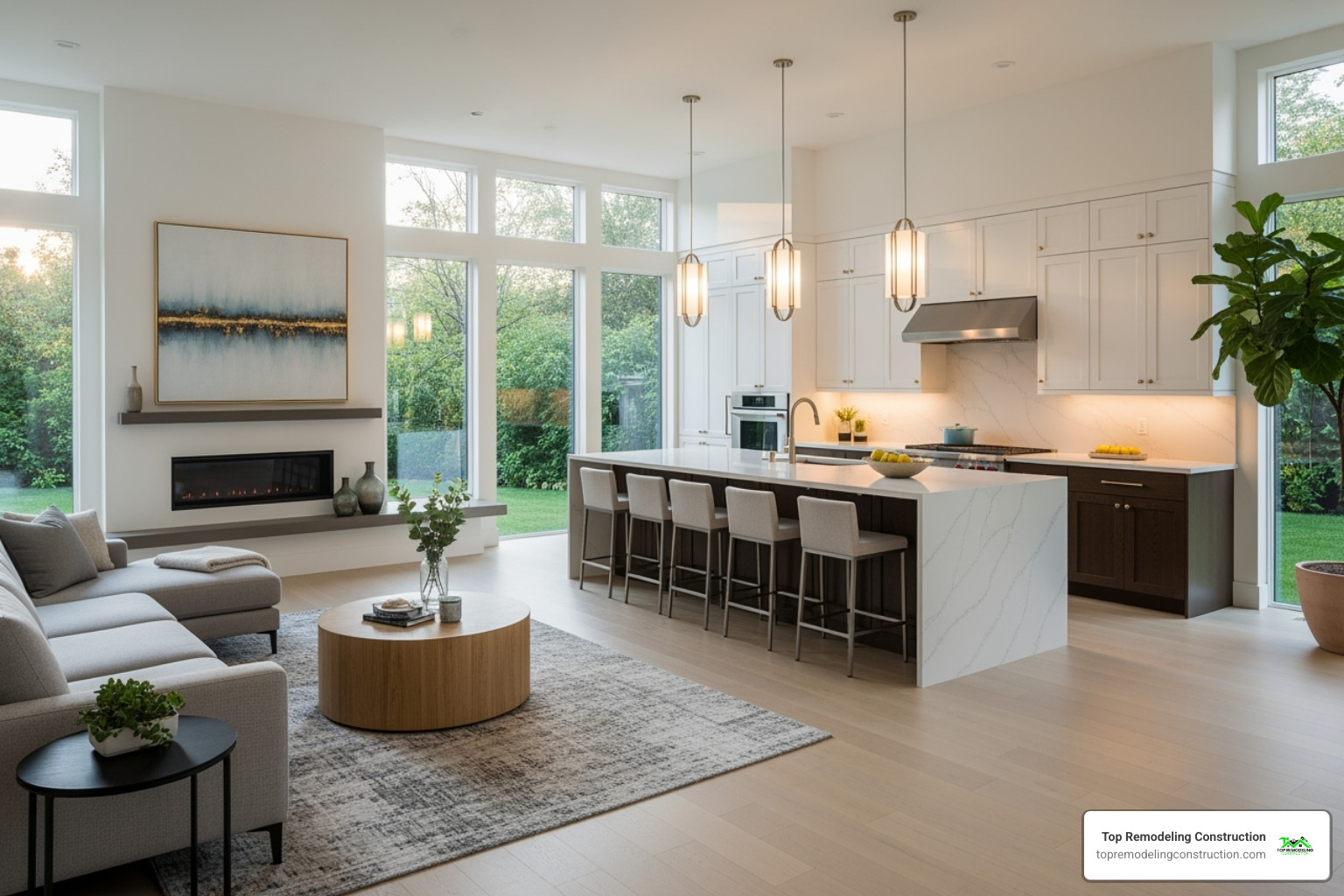
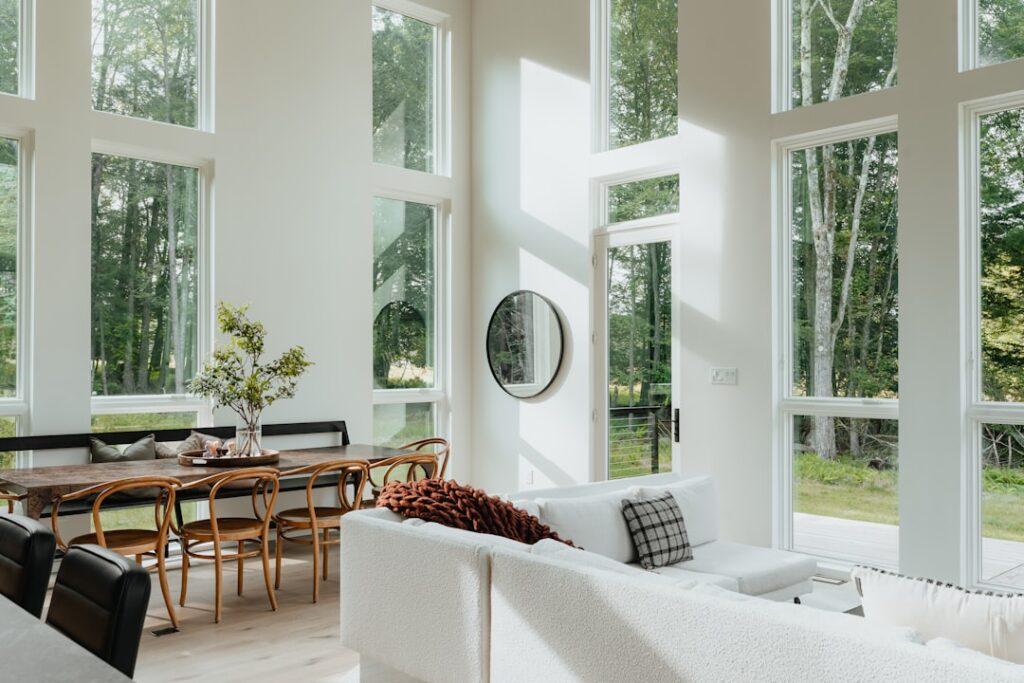
Large windows are also fundamental to contemporary style. We’re talking about expansive walls of glass that invite the outside in. These aren’t just windows; they are portals that flood your home with natural light and create stunning views. During the day, you’ll use light switches less often, which is great for your energy bills and your mood.
From the outside, contemporary home designs make a statement with clean lines and geometric shapes. Think bold rectangles, flat roofs with dramatic overhangs, and sometimes asymmetrical facades that catch the eye without being flashy. These uncluttered exteriors are sophisticated without trying too hard.
Common Materials and Finishes
The materials in contemporary homes are chosen for their beauty, feel, and function.
Wood brings warmth and soul. You might see rich walnut floors or cedar siding, which keeps contemporary homes from feeling cold or sterile.
Stone adds texture and connects a home to the earth, whether it’s stacked stone on an accent wall or smooth granite countertops.
Concrete has evolved from its industrial roots. Today’s concrete can be polished, tinted, or left naturally textured, making it durable and versatile for islands and vanities.
Steel elements like exposed beams or sleek railings add strength and an honest, structural beauty.
Glass is used for more than just windows. You’ll find it in shower enclosures, railings, and room dividers that maintain openness while defining spaces.
Stucco provides smooth, clean canvases for contemporary exteriors. It’s practical and creates the crisp lines that make these homes so striking.
The magic happens when these materials work together. Modern kitchen remodels showcase how natural materials create functional, beautiful kitchens. Similarly, contemporary bathroom designs focus on clean lines and natural textures for spa-like retreats.
Embracing Indoor-Outdoor Living
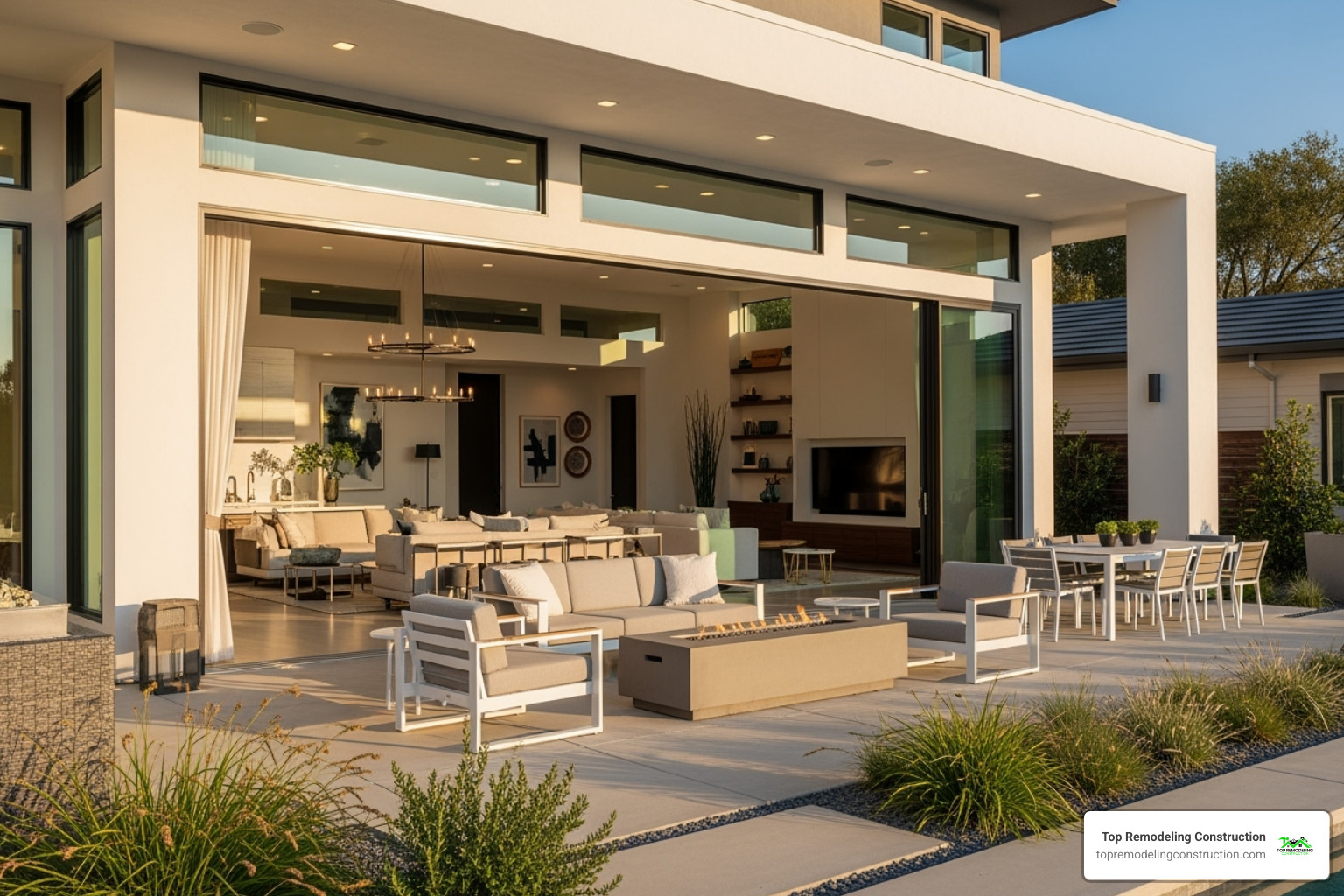
Contemporary home designs excel at blending indoor and outdoor spaces. This creates a lifestyle where your patio becomes an extension of your living room.
Sliding glass walls are key. These are entire walls that can disappear, literally opening your home to the outdoors and allowing guests to flow effortlessly between your kitchen and deck.
Patios and decks become essential living spaces, designed with the same care as interior rooms. They’re perfect for Las Vegas’s weather, offering spots to dine, read, or watch the stars.
Rooftop terraces take advantage of every square foot, especially in urban settings, offering privacy and views.
Large overhangs are practical features that extend your outdoor season by providing shade and protection from the elements.
This blending of indoor and outdoor living transforms your home experience. Natural light, fresh air, and beautiful views become part of everyday life.
Why Choose a Contemporary Style?
Beyond the visual appeal of light-filled, flowing rooms, choosing a contemporary style brings practical benefits that improve daily life.
The beauty of contemporary design lies in its adaptability. Unlike rigid traditional styles, contemporary home designs grow with you. An open dining area can easily become a homework zone, or a corner of the living room can serve as a bright, airy office. This flexibility is smart planning for life’s changes.
Sustainability is another compelling reason to go contemporary. These homes are naturally energy-efficient. Large windows flood your space with natural light, reducing the need for artificial lighting. In a sunny climate like Las Vegas, this can lead to noticeable savings on electricity bills.
Strategic window placement also creates natural airflow, helping keep your home comfortable without over-relying on air conditioning. Combined with modern building materials, this creates a home that’s gentler on the environment and your wallet.
Contemporary design can also be cost-efficient. The minimalist aesthetic means fewer decorative details to pay for during construction. No ornate moldings or elaborate trim—just beautiful, honest materials. This streamlined approach often translates to lower material and labor costs.
Once you’re living in your contemporary home, you’ll appreciate how easy maintenance is. Clean lines and uncluttered surfaces are practical, meaning less dusting. The durable materials commonly used in contemporary design also hold up well over time, so you can spend less time maintaining your home and more time enjoying it.
Key Benefits of Choosing Contemporary Home Designs
The magic of contemporary home designs shines through the abundant natural light and space they provide. Natural light has been shown to improve mood and well-being. The open layouts make rooms feel larger and more welcoming.
The flexible layouts that define contemporary homes are perfect for modern life. Your dining room can host a dinner party on Saturday and become an art studio on Sunday. This adaptability means your home truly works for your lifestyle.
Contemporary home designs work beautifully on any lot size. Whether you have a large property or a compact urban plot, the principles of efficient design and smart space utilization can create a home that feels spacious and connected to its surroundings.
The future-proof design aspect of contemporary homes is particularly smart. Because this style evolves with current trends, your home stays relevant for years. You’ll have a home that gracefully adapts to new ideas and innovations.
Contemporary living doesn’t have to break the bank. Affordable home design solutions prove that the elegance and functionality of contemporary design can work within virtually any budget. Furthermore, comprehensive renovation ideas can significantly boost your property’s appeal and worth.
Choosing contemporary means choosing a home that improves your daily life—a space that’s beautiful, practical, and perfectly suited to the way you want to live.
Popular Variations and Sub-Styles
The beauty of contemporary home designs is their versatility. Because the style is defined by “what’s current,” it draws from many influences, creating exciting variations that can match your lifestyle and location.
Whether you’re dreaming of a sleek urban retreat in Las Vegas or a cozy eco-friendly haven, there’s a contemporary sub-style that speaks to you. This adaptability is what makes contemporary design so appealing to homeowners who want something both current and uniquely theirs.
Minimalist Contemporary takes the “less is more” philosophy to its extreme. Every element serves a purpose—no clutter, just pure functionality wrapped in serene beauty. The clean lines and calming palette create an almost meditative atmosphere.
Industrial Contemporary celebrates the raw beauty of materials like exposed concrete, steel beams, and brick walls. These homes often feature soaring ceilings and open spaces that echo old warehouses but with modern comfort and sophistication.
For city dwellers, Urban Contemporary offers smart solutions for smaller lots. These designs often stretch upward with multi-story layouts, rooftop terraces, and clever tricks to maximize space and natural light.
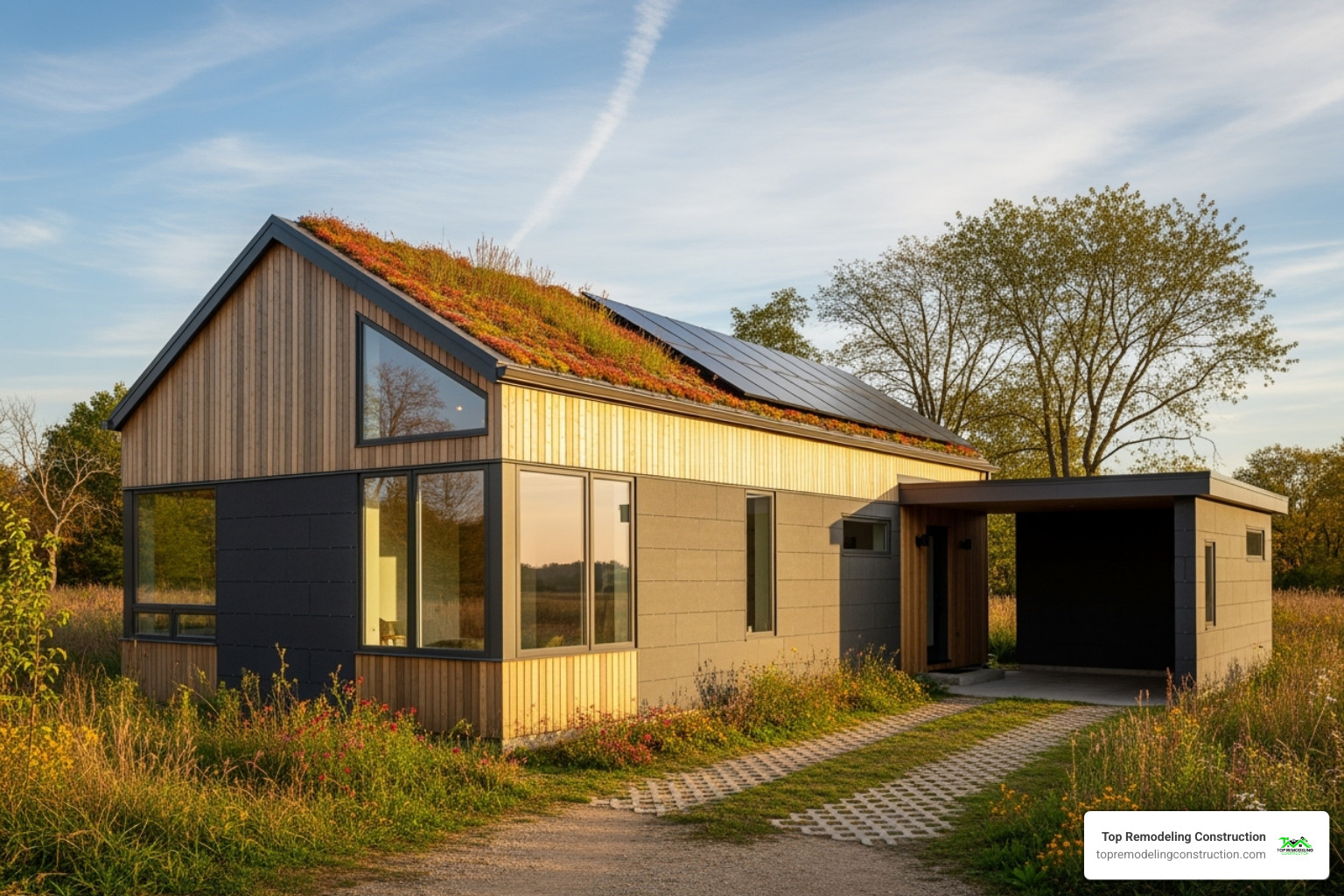
Eco-Friendly & Prefab contemporary homes are where sustainability meets style. These designs might include solar panels, rainwater collection, and recycled materials, all in a sleek package. Prefabricated construction is popular here for its efficiency and clean, geometric lines.
Coastal Contemporary brings a relaxed, beachy vibe to the style with light-filled spaces, natural textures, and expansive windows framing water views. It’s sophisticated but completely comfortable.
Popular Sub-Styles of Contemporary Home Designs
Desert Modern is especially relevant for areas like Las Vegas. These contemporary home designs feature low profiles that hug the landscape, deep overhangs for shade, and materials like stone and stucco that blend with desert surroundings. The key is working with the environment, not against it.
Small contemporary homes prove that you don’t need a mansion to live stylishly. These cleverly designed spaces, often under 1,800 square feet, make every inch count with built-in storage and open floor plans.
Modular design represents the future of efficient home construction. Homes are built in sections in a factory, then assembled on-site, resulting in faster construction and better quality control. The geometric forms of contemporary design translate beautifully to this method.
Scandinavian influence brings a cozy warmth to contemporary design through light woods, simple forms, and the concept of “hygge”—creating spaces that feel comfortable and connected to nature.
The magic happens when these styles adapt to their locations. A contemporary home in the Pacific Northwest might feature cedar and large windows, while one in Las Vegas could have cool stucco walls and shaded courtyards. This adaptability ensures your home feels right in its environment.
The constant evolution of contemporary home designs means there’s always something new emerging. It’s a style that celebrates personal expression, ensuring your home reflects who you are.
Frequently Asked Questions about Contemporary Homes
When homeowners explore contemporary home designs, they often have questions. Here are answers to the most common ones we encounter.
What is the main characteristic of contemporary architecture?
The defining trait of contemporary architecture is its evolving nature—it reflects what’s happening right now in design. It lives and breathes with the times rather than being stuck in one era.
Contemporary home designs emphasize clean lines, open spaces, and a strong connection to the landscape. It doesn’t follow a rigid rulebook, instead adapting to new technologies, changing lifestyles, and fresh ideas about how we want to live.
This flexibility means your contemporary home stays relevant. It’s designed for how families live today, with open kitchens, flexible spaces for home offices or playrooms, and large windows that make every room feel bright and welcoming.
Are contemporary homes expensive to build?
This is a common question, and the answer is: it depends. Costs vary by size, location, materials, and design complexity. The good news is that many contemporary home designs are built around efficiency and smart space usage, which can be cost-effective.
For example, open floor plans mean fewer interior walls to build. Large windows reduce the need for artificial lighting. The minimalist aesthetic means less ornate trim work and fewer details that drive up labor costs.
We’ve worked with families on all kinds of budgets. The key is focusing on the elements that matter most to you. Contemporary design is flexible enough to work with your financial reality.
Can I remodel my current house into a contemporary style?
Absolutely! This is one of our favorite types of projects, as the change is often dramatic. Most homes can be updated with contemporary elements.
The process usually involves opening up living areas by removing non-structural walls, enlarging windows, and updating materials to more natural or industrial finishes. We might simplify trim work, update lighting, and focus on creating a clean, uncluttered aesthetic.
Every home is different. Some older houses have great bones that work beautifully with contemporary updates. Others might need more extensive changes to achieve the open, flowing spaces that make contemporary living so appealing.
That’s where working with an experienced remodeling team comes in. They can assess your space and help you understand what’s possible within your budget and timeline. Experts in the field can change existing homes while maintaining their structural integrity. The best part? You don’t have to do everything at once; contemporary style lends itself well to phased renovations.
Bring Your Contemporary Vision to Life
The journey to creating your contemporary home is an exciting one. It’s about more than just aesthetics; it’s about designing a space that supports and improves your lifestyle.
With its emphasis on light, space, and functionality, contemporary design offers a flexible and timeless foundation. Expert guidance can help you steer the decisions, from choosing materials to optimizing your floor plan. Quality craftsmanship will ensure that your contemporary updates won’t just look stunning—they’ll stand the test of time.
By embracing the core principles of this adaptable style, you can create a home that feels authentically you—a beautiful, practical, and inspiring space where you’ll love to live.