Outdoor living has become one of the most valuable home improvements for homeowners across Southern Nevada. With more than 300 sunny days each year, a well-designed patio provides the perfect place to relax, entertain guests, and increase property value. Whether you’re planning a simple backyard upgrade or a complete outdoor transformation, understanding the planning process can help you avoid costly mistakes and maximize your investment.
If you’re considering Patio installation in Las Vegas, this guide explains everything homeowners need to know in 2026, including planning, materials, costs, design trends, contractor selection, and long-term maintenance. By the end, you’ll have a clear roadmap for creating an outdoor space that matches your lifestyle and budget.
Why More Homeowners Are Investing in Patio installation in Las Vegas
Las Vegas homeowners continue to prioritize outdoor improvements because they offer both lifestyle benefits and long-term financial value. As home prices remain competitive, many homeowners are choosing to improve their existing properties instead of relocating.
A professionally designed patio can:
- Expand usable living space
- Improve curb appeal
- Create an ideal entertaining area
- Increase resale potential
- Reduce landscape maintenance
- Complement pools, outdoor kitchens, and fire features
Unlike many interior renovations, patios provide daily enjoyment while enhancing the overall appearance of the property.
Step 1: Define the Purpose of Your Patio
Before choosing materials or requesting estimates, decide how you’ll actually use your new outdoor space.
Ask yourself:
- Will it mainly be used for family gatherings?
- Do you enjoy hosting outdoor dinners?
- Will children or pets frequently use the area?
- Are you planning to add an outdoor kitchen later?
- Do you want a quiet place to relax?
A patio designed for entertaining requires different planning than one intended for personal relaxation.
Many homeowners underestimate future needs. Planning for electrical wiring, lighting, irrigation, or gas lines now can save thousands later if you decide to expand your outdoor space.
Step 2: Understand Today’s Most Popular Patio Materials
Material selection affects appearance, durability, maintenance, and long-term costs.
Concrete
Concrete remains one of the most affordable choices. It offers flexibility in shape and can be stained or stamped to resemble stone.
Advantages:
- Budget friendly
- Durable
- Minimal maintenance
- Quick installation
Potential drawbacks include cracking over time due to soil movement and temperature changes.
Natural Stone
Natural stone provides a timeless, premium appearance.
Popular options include:
- Travertine
- Flagstone
- Limestone
- Slate
Stone offers exceptional beauty but generally requires a larger investment.
Paver Patio Installation
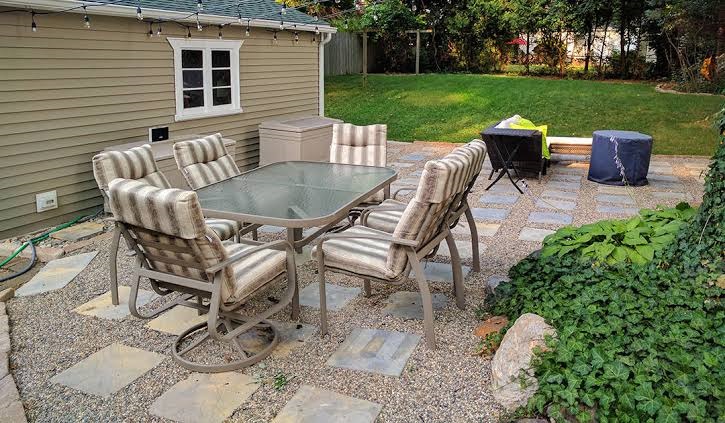
One of the fastest-growing choices among Las Vegas homeowners is Paver Patio Installation because individual pavers are attractive, durable, and easier to repair than poured concrete.
Benefits include:
- Wide variety of colors
- Numerous laying patterns
- Excellent drainage
- Easy replacement of damaged sections
- Long service life
Many homeowners also appreciate the upscale appearance pavers provide without requiring extensive maintenance.
Estimated Patio Material Comparison
| Material | Initial Cost | Durability | Maintenance | Design Flexibility |
|---|---|---|---|---|
| Concrete | Low | Good | Low | Moderate |
| Pavers | Moderate | Excellent | Low | High |
| Natural Stone | High | Excellent | Moderate | Excellent |
Choosing the right material depends on your budget, design goals, and expected usage.
Step 3: Think Beyond the Patio Surface
Today’s outdoor spaces serve multiple purposes. Instead of installing only a patio, many homeowners are designing complete backyard environments.
Current trends include:
- Outdoor kitchens
- Fire pits
- Built-in seating
- Water features
- Decorative lighting
- Artificial turf
- Privacy walls
- Shade structures
This growing emphasis on building outdoor living spaces reflects the way homeowners now use their backyards as extensions of their indoor living areas.
Rather than completing projects in stages without a long-term plan, many professionals recommend designing the full layout first, even if construction occurs over several phases.
Step 4: Plan for Shade in the Desert Climate
Las Vegas summers are intense, making shade an essential part of patio design.
Homeowners commonly choose:
- Pergolas
- Retractable awnings
- Shade sails
- Solid patio covers
- Insulated roof systems
Among these options, Covered Patio Construction continues to grow in popularity because it creates comfortable outdoor spaces throughout much of the year while protecting furniture from direct sun exposure.
Selecting the right shade solution depends on your home’s orientation, available space, and intended use.
Step 5: Budget Realistically
Patio costs vary significantly depending on several factors.
Common pricing variables include:
- Patio size
- Material selection
- Site preparation
- Drainage requirements
- Decorative borders
- Lighting installation
- Seating walls
- Fire features
- Permit requirements
While every project differs, planning a realistic budget from the beginning helps prevent unnecessary compromises later.
Remember that the lowest estimate isn’t always the best value. Experienced installers typically provide better site preparation, stronger foundations, and more precise finishing.
2026 Patio Design Trends
Outdoor living continues evolving as homeowners seek functionality alongside style.
Several trends are expected to remain popular throughout 2026.
Larger Multi-Use Patios
Instead of one small seating area, homeowners are creating separate zones for dining, cooking, and relaxing.
Neutral Color Palettes
Earth tones, charcoal, sandstone, and warm gray continue dominating patio designs because they coordinate well with desert landscaping.
Seamless Indoor-Outdoor Flow
Patios increasingly mirror interior flooring colors and architectural styles, creating a cohesive appearance throughout the property.
Low-Maintenance Landscaping
Native plants, decorative rock, and efficient irrigation systems reduce maintenance while conserving water.
Smart Outdoor Lighting
LED landscape lighting controlled through mobile apps continues gaining popularity for both convenience and security.
Common Planning Mistakes to Avoid
Many patio projects become more expensive because of preventable mistakes.
Avoid these common issues:
- Choosing materials based only on price
- Ignoring drainage
- Underestimating future needs
- Skipping proper base preparation
- Not considering shade
- Selecting designs that clash with the home’s architecture
- Hiring solely based on the lowest bid
Careful planning almost always results in better long-term value.
Choosing the Right Contractor
The quality of installation matters just as much as the materials themselves.
Look for contractors who:
- Provide detailed written estimates
- Explain the installation process
- Offer realistic timelines
- Have experience with local soil conditions
- Understand municipal permitting requirements
- Communicate clearly throughout the project
A reputable contractor should also discuss maintenance expectations and answer questions before construction begins.
If you’re evaluating options for your property, speaking with a qualified professional can help you make a more informed decision.
Homeowners working with Top Remodeling Construction often appreciate receiving practical recommendations tailored to their property’s layout, lifestyle needs, and long-term goals.
Should You Search for Patio installation near me?
Many homeowners begin their research by searching online for Patio installation near me, but choosing a contractor should involve more than proximity alone.
Consider:
- Local experience
- Portfolio quality
- Customer reviews
- Licensing and insurance
- Communication
- Warranty coverage
- Material knowledge
An experienced local contractor understands Las Vegas climate conditions, permitting processes, and construction best practices, helping reduce delays and improve long-term results.
How Long Does Patio Installation Take?
Project timelines depend on several factors, including patio size, weather conditions, material availability, and site preparation.
Typical timelines include:
- Small patios: 3 to 5 days
- Medium patios: 1 to 2 weeks
- Large custom outdoor spaces: 2 to 4 weeks
Additional features such as lighting, kitchens, retaining walls, or drainage systems may extend the schedule.
Proper planning before construction begins often helps minimize unexpected delays.
Making the Most of Your Investment
A thoughtfully designed patio should complement your home’s architecture while supporting your everyday lifestyle. Choosing quality materials, planning for future upgrades, and working with experienced professionals can help ensure your outdoor space remains attractive and functional for many years.
Rather than focusing only on initial costs, consider long-term durability, maintenance requirements, and how the space will be used over time. These factors often have a greater impact on overall value than the installation price alone.
By investing in careful planning today, homeowners can enjoy an outdoor environment that enhances comfort, entertainment, and property appeal well into the future.
Professional Tips for Long-Lasting Results
A beautiful patio should continue performing well for years, not just look good on installation day. The difference often comes down to proper construction techniques and regular maintenance.
Professional installers focus on several details that homeowners may never see once the project is complete. These include proper excavation depth, compacted base materials, grading for drainage, and edge restraints that keep pavers or concrete in place over time.
To maximize the lifespan of your patio:
- Clean debris regularly to prevent staining.
- Wash the surface with water and a mild cleaner as needed.
- Seal pavers when recommended by the manufacturer.
- Remove weeds from joints before they spread.
- Inspect drainage after heavy rain.
- Address minor settling early before it becomes a larger repair.
Routine maintenance requires only a small investment of time but helps preserve the appearance and structural integrity of the patio.
Cost vs. Value: Is a New Patio Worth the Investment?
A patio is more than an outdoor feature. It becomes part of your home’s usable living space.
While every project has different costs, homeowners often find value in a patio because it offers:
- Additional entertainment space
- Improved backyard functionality
- Better curb appeal
- Increased buyer interest when selling
- Reduced maintenance compared to large grass areas
- Greater enjoyment of outdoor living
When paired with thoughtful landscaping and lighting, a patio can completely change how a backyard is used throughout the year.
How to Prepare Before Construction Begins
Preparation can help your project move more efficiently and reduce unexpected delays.
Before work starts:
Confirm the Final Design
Review dimensions, materials, colors, borders, and optional features with your contractor.
Understand the Timeline
Ask about anticipated start and completion dates, material delivery schedules, and weather considerations.
Protect Existing Landscaping
If there are trees, irrigation systems, or garden beds nearby, discuss how they will be protected during construction.
Plan for Access
Construction crews will need access to the backyard, equipment, and materials. Clearing pathways ahead of time helps improve efficiency.
Review Drainage Plans
Water management is especially important in the Las Vegas area, where sudden storms can create significant runoff. Proper grading helps protect both your patio and your home’s foundation.
Warning Signs of Poor Patio Installation
Not every patio is built to the same standard. Recognizing quality workmanship can help homeowners avoid future repairs.
Watch for these warning signs:
- Uneven or rocking pavers
- Standing water after rain
- Visible gaps between materials
- Poorly aligned edges
- Cracking shortly after installation
- Loose border restraints
- Inconsistent joint spacing
If you notice these issues during or shortly after construction, discuss them with your contractor before the project is finalized.
Integrating Your Patio With the Rest of the Backyard
The most successful outdoor projects feel intentional rather than pieced together over time.
Consider adding features such as:
- Landscape lighting
- Decorative planters
- Outdoor ceiling fans
- Seating walls
- Fire features
- Outdoor kitchens
- Walkways connecting different areas
- Artificial turf
- Water-efficient landscaping
Planning these elements together creates a cohesive outdoor environment and often saves money compared to adding them one at a time.
Limited-Time Savings Opportunity
Homeowners planning an outdoor improvement project this season may qualify for current promotional pricing or seasonal scheduling opportunities, depending on project scope and availability.
Contact the team to learn about current offers, scheduling options, and applicable terms before starting your project.
Frequently Asked Questions
How much does patio installation typically cost?
Pricing depends on the patio size, material selection, site preparation, drainage requirements, and optional features. A detailed on-site consultation is the best way to receive an accurate estimate tailored to your property.
How long will my new patio last?
A professionally installed patio can last several decades when constructed with quality materials and maintained properly. Regular cleaning and timely repairs help extend its lifespan.
Do paver patios require a lot of maintenance?
No. Paver patios are relatively low maintenance. Occasional cleaning, weed removal between joints, and periodic sealing can keep them looking their best for many years.
How do I choose the right contractor?
Look for experience, licensing, insurance, transparent estimates, quality workmanship, customer reviews, and clear communication. A contractor should also explain the installation process and answer your questions before work begins.
About Top Remodeling Construction
Top Remodeling Construction provides professional remodeling and exterior improvement services for homeowners throughout the Las Vegas area. The company specializes in patio installations, outdoor living projects, paver installations, covered patio solutions, home renovations, and custom remodeling designed to meet each client’s unique goals. Every project is approached with careful planning, quality craftsmanship, and attention to detail from the initial consultation through final completion. By focusing on durable materials, transparent communication, and customer satisfaction, the team helps homeowners create attractive, functional spaces that add lasting value to their properties.
Conclusion
Investing in Patio installation in Las Vegas is one of the most practical ways to improve your home’s outdoor functionality, comfort, and long-term value. With careful planning, quality materials, and professional installation, your patio can become a favorite gathering place for family and friends while enhancing your property’s overall appeal.
Whether you’re envisioning a simple backyard retreat or a fully customized outdoor entertainment area, taking the time to plan each detail will help ensure lasting results.
Call (702) 276-7426 today or fill out the contact form to schedule your consultation and discuss your project goals.