
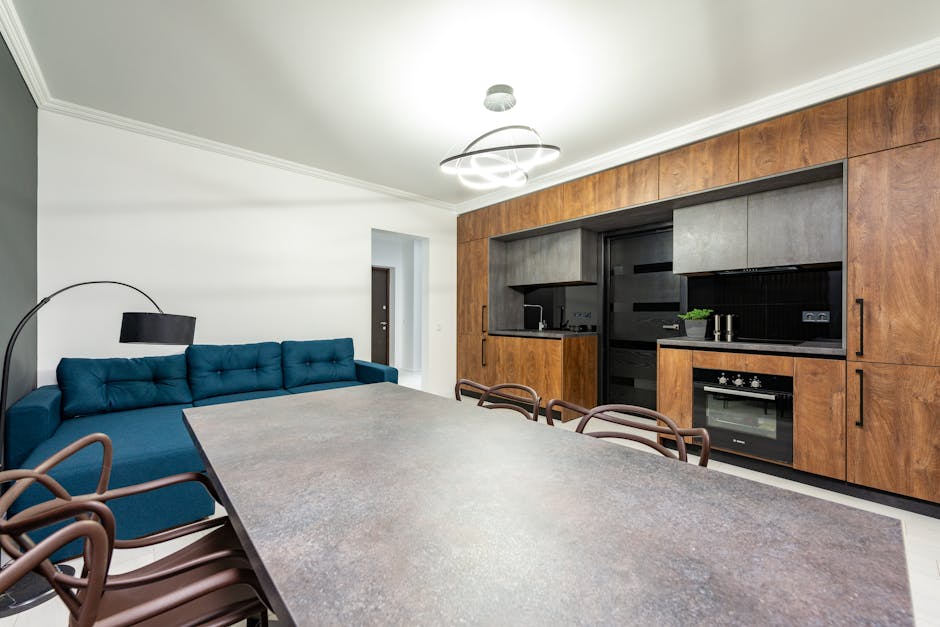
Why Open Floor Plan Designs Transform Modern Living
Open floor plan designs have revolutionized how we think about home layouts, combining kitchens, dining rooms, and living spaces into one expansive area. These popular layouts eliminate traditional walls and doorways, creating seamless connections between your home’s main gathering spaces.
Key benefits of open floor plan designs:
- Maximized space – Makes homes feel larger even with modest square footage
- Improved natural light – Light travels freely throughout connected spaces
- Improved social interaction – Perfect for entertaining and family togetherness
- Increased home value – Among the most requested layouts for modern buyers
- Design flexibility – Allows for versatile furniture arrangements and decorating
Essential design elements:
- Strategic furniture placement to define zones
- Consistent color schemes throughout connected areas
- Kitchen islands or peninsulas as natural dividers
- Area rugs to visually separate different functions
- Cohesive lighting that unifies the entire space
Open concept floor plans are among the most popular and requested house plans available today. They create harmony and connection between different living areas while maintaining the functionality each space needs.
However, designing these flowing spaces comes with unique challenges. Without walls to naturally separate areas, you need thoughtful planning to create distinct zones for cooking, dining, and relaxing. The key lies in using furniture, lighting, and design elements to define spaces while preserving that coveted open feel.
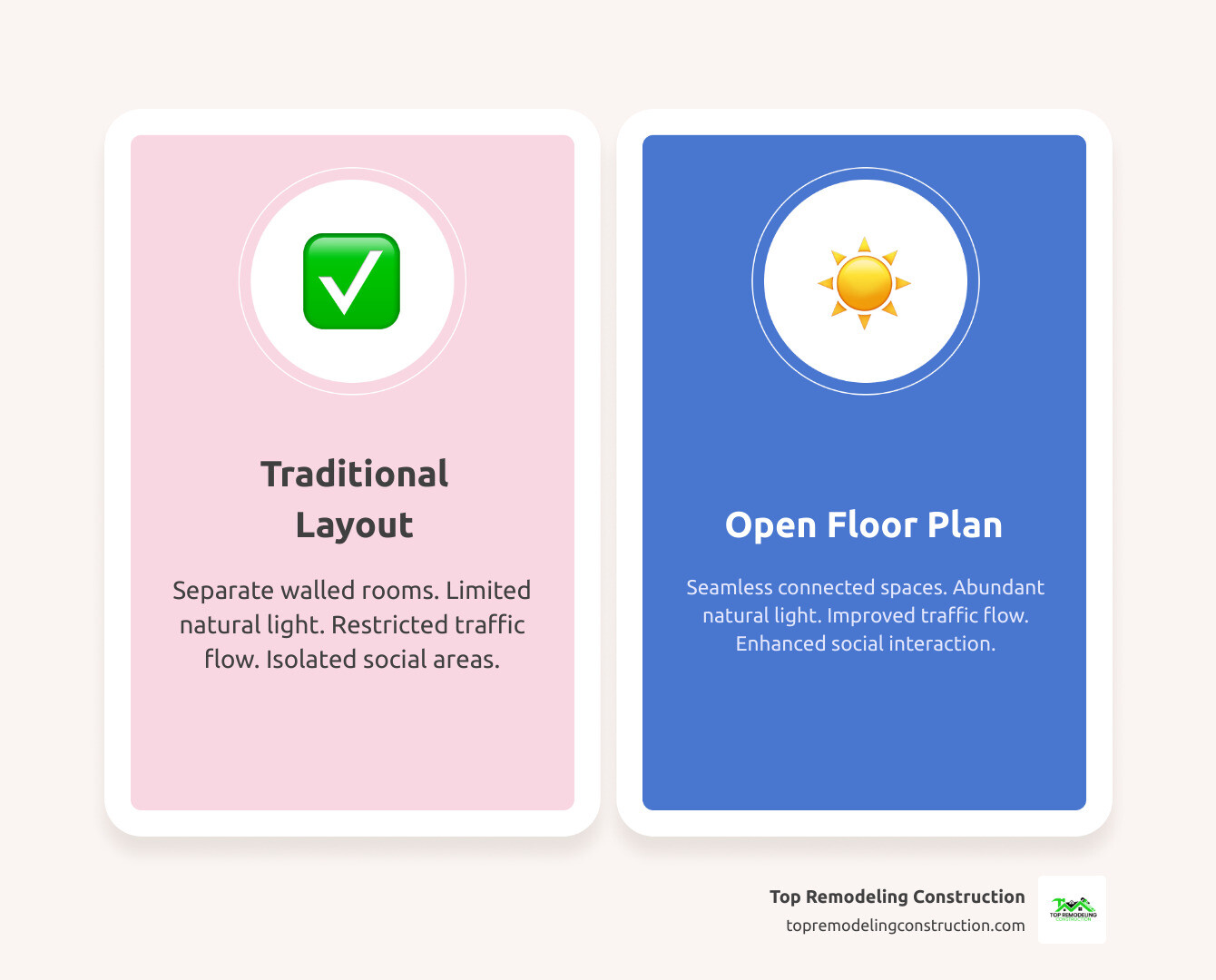
Quick Open floor plan designs terms:
The Blueprint: Planning Your Perfect Open Concept
Planning your open floor plan designs is like creating a roadmap for your dream home – and trust me, you don’t want to wing this one! The excitement of imagining your new open space is wonderful, but the real magic happens when you take time to thoughtfully plan every detail.
We always start by getting to know you and how you actually live. Are you the type who loves hosting dinner parties where everyone ends up in the kitchen anyway? Do you need a quiet corner for working from home, or is your main goal keeping an eye on the kids while you’re cooking dinner? These aren’t just nice-to-know details – they’re the foundation of creating a space that truly works for your family.
Here’s something many homeowners don’t realize: even in an open floor plan, you’ll still have distinct zones. We help you map out these areas, figuring out how much space your dining table needs, where that cozy reading nook might fit, and ensuring there’s enough room for everyone to move around comfortably. It’s like solving a puzzle, but way more fun!
Now, let’s talk about the structural reality check. Those load-bearing walls aren’t just suggestions from your home’s original builder – they’re literally holding up your house! Removing them requires professional engineering and permits. Even walls that seem harmless might be hiding plumbing lines, electrical wiring, or gas connections that need careful relocation.
Budgeting deserves its own conversation because open concept renovations can vary wildly in cost. Simple wall removal might be straightforward, but relocating a kitchen or adding structural support can significantly impact your budget. We believe in complete transparency from day one, so there are no surprises halfway through your project.
For homeowners in the Las Vegas area, we’re particularly familiar with local building codes and permitting requirements that can affect your timeline and budget. More info about Home Remodeling Las Vegas NV
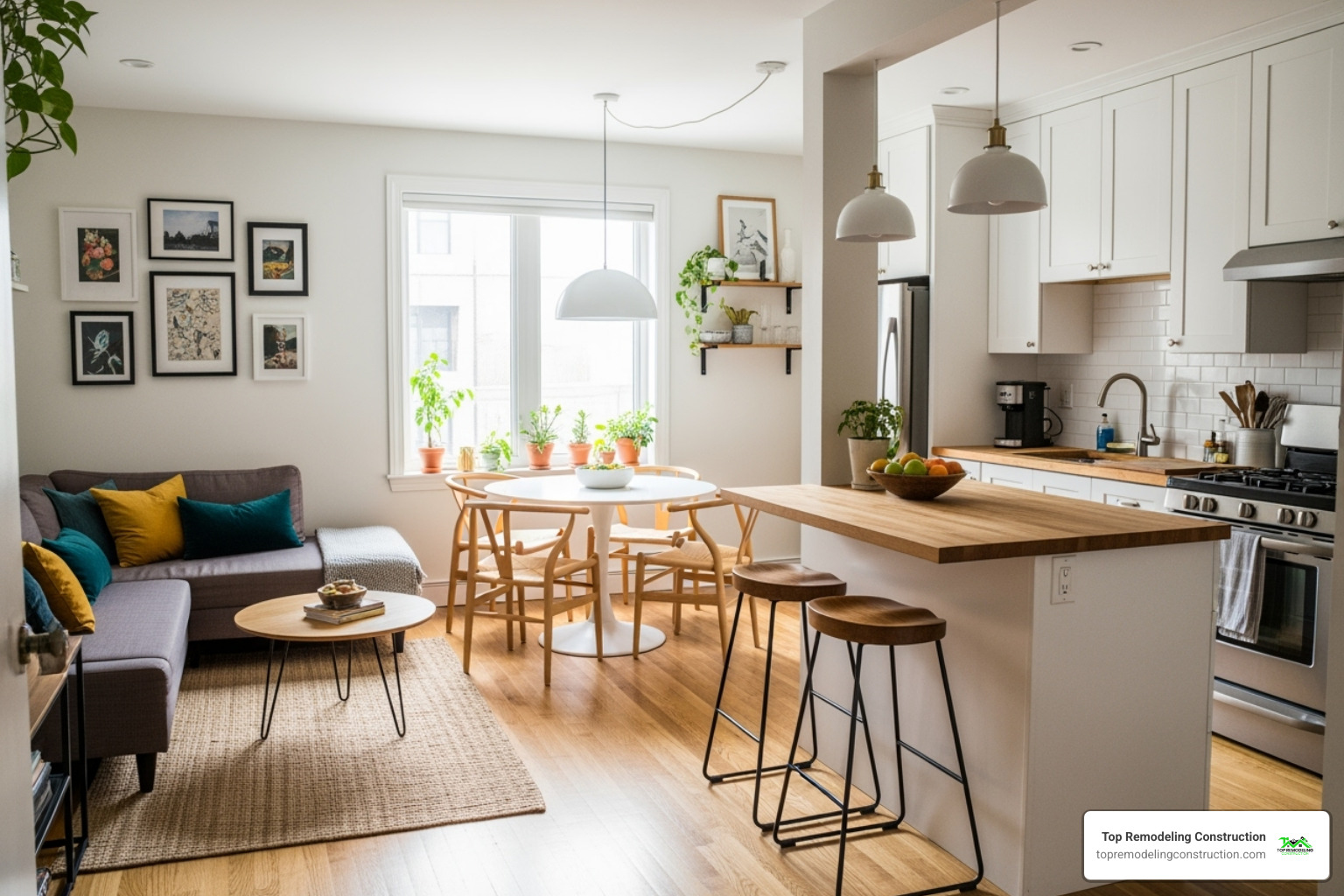
Advantages of an Open Layout
The benefits of open floor plan designs are why they’ve become such a beloved choice for modern families. Let’s explore what makes them so special.
Space feels dramatically larger when you remove those visual barriers. Even modest homes can feel spacious and grand with an open layout. It’s amazing how much bigger a 1,200-square-foot home feels when the main living areas flow together seamlessly.
Natural light becomes your best friend in an open concept. Instead of sunlight getting trapped in individual rooms, it travels throughout your entire living space. Those south-facing windows in your living room now brighten your kitchen too, creating a warm, welcoming atmosphere all day long.
Decorating flexibility is where open floor plans really shine. Want to rearrange for the holidays? Easy. Need to accommodate a growing family? No problem. Without walls dictating furniture placement, you can adapt your space as your needs change.
Entertaining becomes effortless when your guests can flow naturally between areas. No more feeling isolated in the kitchen while everyone else is having fun in the living room. You can prep appetizers, chat with friends, and keep an eye on the kids all at the same time.
Family connection happens naturally in open spaces. Parents can help with homework at the dining table while dinner simmers on the stove. Kids can play nearby while adults relax after work. It’s about being together without being on top of each other.
Resale value gets a significant boost with open floor plans. They consistently rank as one of the most requested features by homebuyers, making your investment a smart financial decision for the future.
Potential Challenges and Considerations
While we absolutely love open floor plan designs, we’d be doing you a disservice not to discuss the challenges you might face. Knowledge is power, and understanding these considerations helps us design solutions from the start.
Privacy can become precious in an open layout. Sometimes you need a quiet phone call or want to watch different TV shows. Without walls, creating these private moments requires creative planning and thoughtful design solutions.
Sound travels everywhere – and we mean everywhere. The blender at breakfast, the TV during evening shows, even conversations carry throughout the space. This isn’t necessarily a dealbreaker, but it’s something to plan for with acoustic-friendly materials and strategic layouts.
Everything is on display in an open concept, which means that pile of mail on the kitchen counter is now part of your living room decor. Some families love this motivation to stay tidy, while others find it stressful. We often joke with clients that their dishwasher becomes their best friend!
Heating and cooling costs can increase with larger, open volumes. Your HVAC system works harder to maintain consistent temperatures across the expanded space. However, modern systems and smart thermostats can help manage these challenges effectively.
Wall space becomes limited for storage, artwork, and large furniture pieces. This pushes us to get creative with islands, built-ins, and multi-functional furniture that serves both practical and aesthetic purposes.
Defining distinct areas without walls requires intentional design choices. You’ll need clear strategies to separate your cooking, dining, and relaxing zones so the space feels organized rather than chaotic.
Understanding these challenges allows us to address them proactively, ensuring your open floor plan delivers all the benefits you’re dreaming of while minimizing any potential drawbacks.
Creating Harmony: How to Define Zones Without Walls
The beauty of open floor plan designs lies in their flowing, connected feel – but this same openness can leave homeowners wondering how to create distinct areas for different activities. The secret isn’t in building barriers, but in using smart design tricks that guide the eye and naturally separate spaces.
Think of it like creating invisible rooms within your open space. You want each area to have its own personality and purpose while still feeling connected to the whole. It’s like conducting an orchestra – every section plays its part, but together they create beautiful harmony.

Use Furniture to Create Boundaries
Your furniture is like a friendly traffic director, quietly showing people where one space ends and another begins. Strategic furniture placement can work wonders in defining zones without making your home feel chopped up.
The back of a sofa is one of our favorite zone-creating tools. When you place it facing away from the kitchen or dining area, it naturally creates a cozy living room boundary. It’s amazing how something so simple can make such a big difference in how a space feels.
Console tables are another fantastic solution. Picture a sleek console table behind your sofa – it not only gives you a spot for lamps and family photos but also creates a clear visual break between your living and dining areas. We’ve seen how a stylish sideboard can solve those tricky pathway issues in smaller open-plan spaces.
Sectional sofas are particularly clever for cornering off a space. They wrap around to create an intimate conversation area that feels separate from the rest of the room. It’s like having your own little retreat within the larger space.
The key is creating conversation zones by arranging your seating to face each other. This naturally draws people together and defines the living area without any walls needed.
Employ Visual and Architectural Cues
Beyond furniture, there are plenty of visual tricks that help segment your open floor plan designs while keeping that airy, connected feeling you love.
Area rugs are probably the easiest and most effective zone creators. A large rug under your coffee table instantly says “this is the living room,” while another rug under the dining table clearly marks the eating area. It’s like drawing invisible lines on your floor.
Different lighting fixtures work like magic to signal changes in function. A stunning chandelier over your dining table, pendant lights over the kitchen island, and softer table lamps in the living room create distinct moods for each area. The lighting tells a story about how each space should be used.
Ceiling treatments add another layer of definition. Exposed beams over the dining area or a coffered ceiling treatment can set that space apart from the living room. It’s like giving each area its own special hat.
Bookcases or screens can serve as gentle partitions when you need a bit more separation. An open-backed bookcase lets light flow through while providing storage and a clear visual division. Folding screens offer flexibility when you want temporary privacy or just a change of scenery.
More info about Custom Home Builders Las Vegas
Optimizing Your Kitchen and Dining Areas
The kitchen and dining areas are often the stars of open floor plan designs, so they deserve special attention to make them both functional and beautifully integrated with the rest of your space.
A functional kitchen island is like the Swiss Army knife of open floor plans. It serves as a natural boundary between cooking and living spaces while offering prep area, casual dining with bar stools, and often extra storage. Some homeowners even incorporate sinks or cooktops into their islands, making them true command centers.
Peninsula counters offer a gentler approach than full islands. They extend from a wall to create definition without taking up as much floor space – perfect for smaller open plans where every square foot counts.
Open shelving in the kitchen reduces the visual weight of upper cabinets, keeping that airy feel you want in an open plan. Plus, it’s a great excuse to display your prettiest dishes and glassware.
When it comes to dining table placement, think about proportion and flow. Your table should fit the space comfortably while allowing clear pathways around it. In tighter spaces, a round table often works better than a rectangular one for easier movement.
Banquette seating is a clever space-saving solution that can nestle against a wall or even against the back of a kitchen island. It creates a cozy dining nook while maximizing seating in minimal space.
More info about Kitchen Remodel Las Vegas
The Art of Cohesion: Styling Your Open Floor Plan Designs
Creating beautiful open floor plan designs goes beyond just removing walls and defining zones. The real magic happens when you bring everything together with a cohesive design that makes your entire space feel intentionally connected. Think of it as conducting an orchestra – each area has its own role, but they all need to play in harmony.
The secret lies in finding that sweet spot between variety and unity. You want each zone to have its own personality while still feeling like part of the same home. It’s like having siblings who look different but clearly belong to the same family.
Creating a Cohesive Aesthetic
The foundation of any successful open floor plan starts with consistent design choices that thread through every area. We’ve learned that homeowners who nail this aspect end up with spaces that feel both spacious and pulled-together.
Color is your best friend when it comes to creating unity. Choose a main color palette and let it flow throughout your entire open space. This doesn’t mean painting everything the same shade – that would be boring! Instead, think about how colors can have conversations with each other across the room.
For example, if you have navy blue kitchen cabinets, you might echo that color in throw pillows on your living room sofa or in artwork above your dining table. A unifying accent color works wonders for tying spaces together. We’ve seen homeowners use everything from warm terracotta to sage green as their connecting thread, appearing in small doses throughout the kitchen, dining, and living areas.
Repeating materials and textures creates another layer of connection. If you choose a beautiful reclaimed wood for your kitchen island, consider incorporating similar wood tones in your living room coffee table or dining room sideboard. The key is repetition without being too matchy-matchy – you want it to feel natural, not forced.
Patterns can play the same connecting role. Maybe you choose a geometric pattern for your dining room chair cushions and echo it in a smaller scale on your living room throw pillows. Or perhaps an abstract art piece above your sofa shares similar flowing lines with a backsplash pattern in your kitchen.
Don’t forget about establishing a focal point that anchors your entire open space. This could be a stunning fireplace that’s visible from multiple areas, a dramatic light fixture over your dining table, or even a beautiful view through large windows. Having one main star helps prevent your space from feeling scattered or overwhelming.
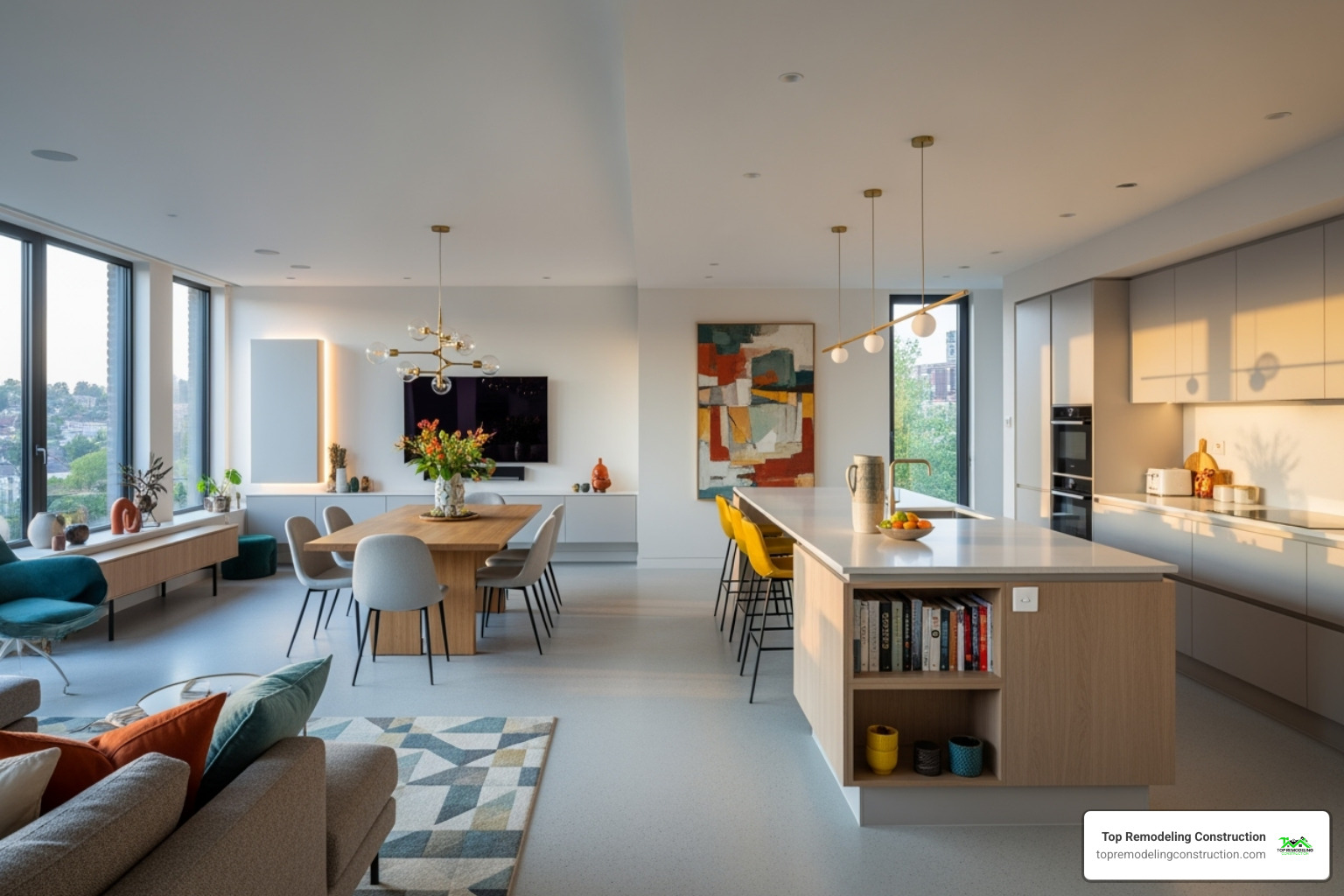
Current Trends for Open Floor Plan Designs
Open floor plan designs continue to evolve, and we’re seeing some exciting trends that make these spaces even more livable and beautiful. The best part? Many of these trends address some of the traditional challenges of open layouts.
Modern farmhouse style remains incredibly popular, and for good reason. It brings together the best of rustic charm and contemporary comfort. Think shiplap accent walls, exposed ceiling beams, and large kitchen islands that become the heart of the home. The style feels both cozy and spacious – perfect for open floor plans.
Japandi influences are making waves in open concept design. This beautiful blend of Japanese minimalism and Scandinavian coziness emphasizes clean lines, natural materials, and muted color palettes. It’s particularly wonderful for open spaces because it creates a sense of calm that flows seamlessly from area to area.
Biophilic design – basically bringing nature indoors – has become a game-changer for open floor plans. Large indoor plants not only look gorgeous but actually help with acoustics, absorbing some of that sound that can bounce around open spaces. Natural materials like stone and wood add warmth and texture that prevents large open areas from feeling cold or sterile.
Multi-functional furniture is having a major moment, and it makes perfect sense for flexible open layouts. Ottoman storage cubes can serve as extra seating for entertaining, footrests for movie nights, or even temporary coffee tables. Dining tables that can expand for dinner parties or work as home office desks give you incredible versatility.
We’re also seeing more homeowners accept broken-plan or semi-open concepts. Not everyone wants their kitchen completely open to their living room, and that’s perfectly okay! Partial walls, decorative room dividers, or even different ceiling heights can provide some separation while maintaining that open feel.
Smart home integration is becoming standard rather than luxury. Automated lighting systems let you create different moods for different zones with the touch of a button. Smart thermostats help address those heating and cooling challenges that can come with large open spaces. Even integrated sound systems can provide background music in one area without overwhelming another.
The beauty of these trends is that they’re not just about looks – they solve real problems and make open floor plan designs work better for everyday life.
Frequently Asked Questions about Open Floor Plans
How do you control noise in an open floor plan?
Noise control is honestly one of the biggest concerns we hear from homeowners considering open floor plan designs. Without walls to naturally block sound, everything from the dishwasher running to kids playing can echo throughout your entire living space. The good news? There are plenty of practical solutions that don’t require major construction.
Soft furnishings are your best friend when it comes to sound absorption. Think of large area rugs as acoustic sponges – they’re incredibly effective at dampening footsteps and reducing echo. Heavy curtains not only add privacy but also absorb sound waves bouncing around the room. Upholstered furniture like sectional sofas, armchairs, and even ottomans help create a quieter environment simply by existing in your space.
For a more targeted approach, decorative acoustic panels can work wonders without looking clinical. Many homeowners don’t realize that even textured artwork or a gallery wall can help break up sound waves. We’ve seen clients use beautiful fabric panels that look like art but actually improve acoustics.
Plants do double duty in open floor plans – they’re gorgeous and surprisingly effective at absorbing sound. Large, leafy plants in corners or along walls can make a noticeable difference in how sound travels through your space.
Room dividers and tall bookcases won’t completely block noise, but they do interrupt the sound’s path, making conversations and everyday activities feel less intrusive. Even something as simple as a ceiling fan can provide gentle white noise that masks other household sounds.
Are open floor plans still popular?
Absolutely! Despite occasional articles questioning their appeal, open floor plan designs remain incredibly popular with both homeowners and buyers. We see this demand in our projects – open concept layouts are still one of the most requested features in both new construction and major renovations.
There’s a simple reason for this enduring popularity: open floor plans match how we actually live today. Families want to stay connected while cooking, cleaning, and relaxing. Parents love being able to keep an eye on kids playing in the living room while preparing dinner. And when you’re entertaining, nobody wants to be stuck in the kitchen while guests gather elsewhere.
The resale value factor is also significant. When we’re working with clients who plan to sell eventually, we always point out that open floor plans consistently rank high with potential buyers. They make homes feel larger and brighter, which translates to market appeal.
That said, we’re seeing some evolution in the concept. Some homeowners are gravitating toward “broken-plan” or “semi-open” designs that offer the benefits of openness while providing a bit more definition between spaces. It’s all about finding what works for your specific lifestyle and family needs.
How can I create privacy in an open concept home?
Privacy in an open floor plan requires some creativity, but it’s definitely achievable without sacrificing that spacious feeling you love. The key is using flexible solutions that can adapt to your changing needs throughout the day.
Tall furniture becomes your privacy toolkit. A strategically placed bookcase can create a visual barrier between your home office nook and the main living area. We particularly love open-backed bookcases because they provide separation while still allowing light to flow through – plus, you get valuable storage space.
Folding screens and privacy panels are perfect for temporary privacy needs. Maybe you need to take a video call from your dining table, or you want to create a quiet reading corner. These solutions fold away when you don’t need them, maintaining your open feel most of the time.
Creating cozy nooks with high-backed furniture is another favorite strategy. A pair of high-backed armchairs facing each other instantly creates an intimate conversation area that feels separate from the main flow of the space. It’s amazing how much privacy the right furniture arrangement can provide.
Large plants work beautifully as living privacy screens. A tall fiddle leaf fig or a collection of plants on plant stands can create a natural barrier that feels intentional and beautiful rather than blocking.
For spaces that occasionally need complete closure, sliding barn doors or pocket doors offer the perfect compromise. You can close off a home office when you need to focus, then slide the door open again when you want that connected feeling. It’s the best of both worlds – privacy when you need it, openness when you want it.
Your Vision, Expertly Built
Creating beautiful open floor plan designs is about more than just removing walls – it’s about changing how your family lives, connects, and enjoys your home. The spacious feel, improved natural light, and seamless flow between kitchen, dining, and living areas can completely change your daily experience.
But here’s the thing: achieving that perfect open concept requires careful planning and expert execution. You can’t just grab a sledgehammer and start swinging (though we admit, that does sound fun). Load-bearing walls, plumbing lines, electrical systems, and structural considerations all need professional attention to ensure your dream doesn’t become a nightmare.
That’s where our family-owned team at Top Remodeling Construction comes in. We’ve been helping Las Vegas families create stunning open floor plan designs that actually work for their lifestyles. Whether you’re dreaming of a cozy breakfast nook that flows into your living room or a grand entertaining space that connects your entire main floor, we handle every detail with the care your home deserves.
Our approach starts with really listening to how you live. Do you need that kitchen island to double as homework central? Want to keep an eye on the kids while cooking dinner? Dream of hosting holiday gatherings where nobody’s stuck in the kitchen? We design your open concept around your real life, not just pretty pictures.

From the first consultation through the final walk-through, we’re committed to exceptional customer satisfaction and meticulous attention to detail. We handle the tricky stuff – like figuring out which walls can go and which ones are keeping your house standing – so you can focus on picking paint colors and planning your first dinner party.
Your vision for a more open, connected home is absolutely achievable. With thoughtful planning, quality craftsmanship, and a team that genuinely cares about getting it right, your open floor plan designs will improve both your daily routine and your home’s value for years to come.

