Understanding Your Old House Renovation Investment
Old house renovation costs can range dramatically depending on your home’s condition and goals. Whether you’re updating a charming Victorian or a century-old farmhouse, understanding the financial commitment is crucial for a successful project.
Quick Cost Overview:
- Average cost range: $100,000 to $250,000 for most old house renovations
- Per square foot: $100-$200 (can reach $400 for historic landmarks)
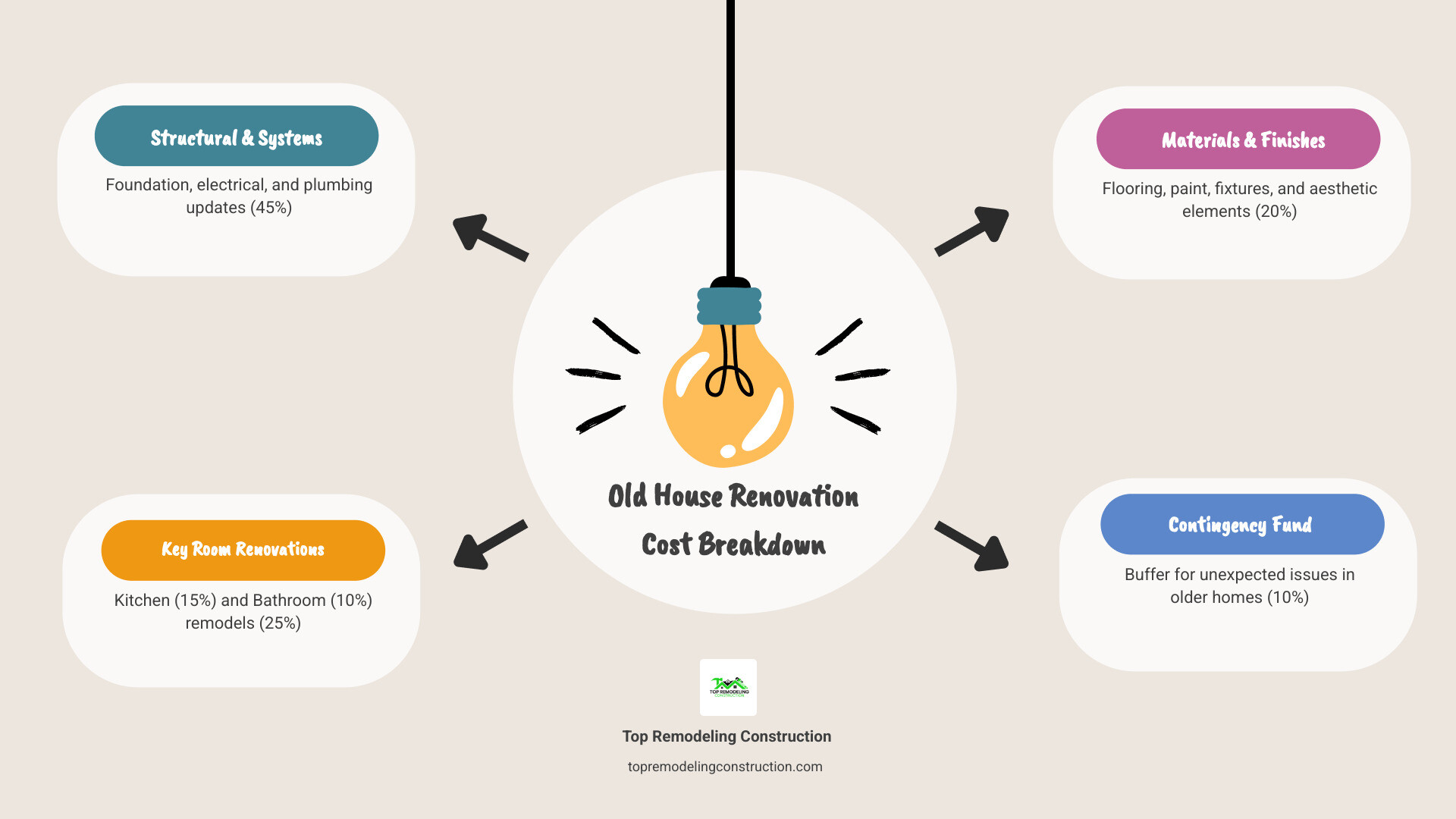
- Budget breakdown: 50-60% labor, 30-40% materials, 10-20% contingency
- Timeline: 3-6 months for major renovations
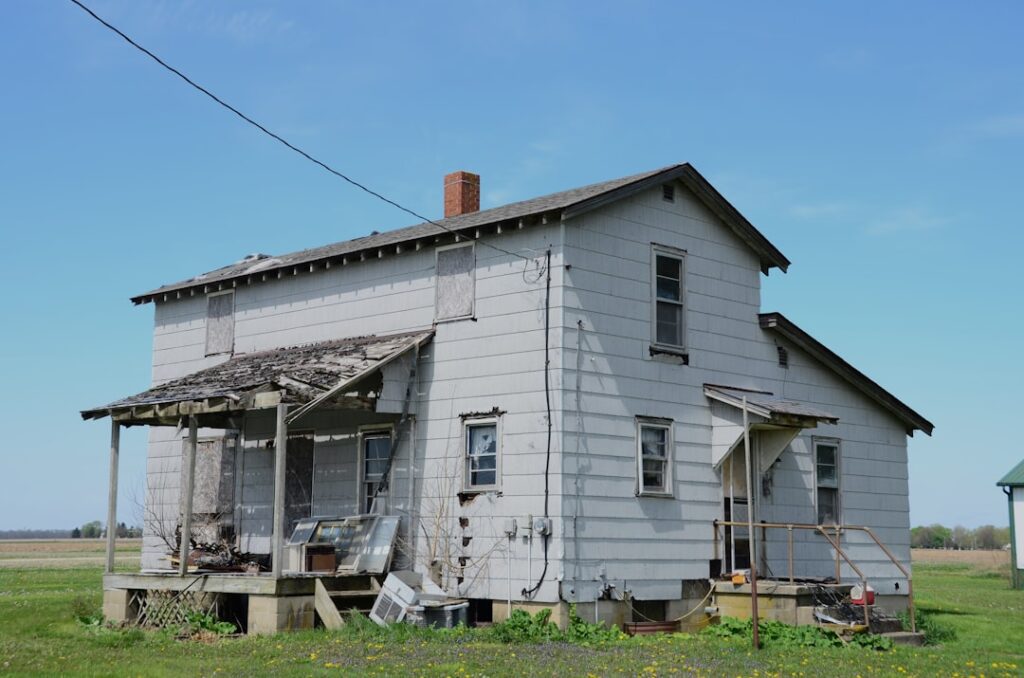
Old houses come with unique charm and unique challenges. Renovating an old house often costs more than updating a modern one because the work goes beyond finishes. You may need to address outdated electrical systems, lead paint, asbestos, and structural issues that have developed over decades.
With proper planning and realistic budgeting, renovating an old house is incredibly rewarding. The investment can pay off through increased property value, lower energy bills, and the satisfaction of preserving a piece of history. The key is knowing what to expect before you start.
Understanding the Average Old House Renovation Costs
There’s something magical about walking through an old house for the first time. Maybe it’s the original hardwood floors that creak with stories, or those gorgeous crown moldings you just don’t see anymore. But here’s the reality check: bringing that vintage charm into the modern world comes with a price tag that might surprise you.
This section breaks down the real numbers behind old house renovation costs, so you can plan your project with eyes wide open. No sugar-coating, no wishful thinking – just honest-to-goodness budgeting information that’ll help you make smart decisions.
What is the Average Cost to Renovate an Old House?
Let’s cut right to the chase. Old house renovation costs typically range from $100,000 to $250,000 for a comprehensive project. This translates to roughly $100 to $200 per square foot, though costs can climb to $400 per square foot for historic landmarks.
Real-world examples show this wide range. One homeowner’s $169,000 budget for an 1886 house was upended by a surprise $100,000 foundation repair—a common risk with older properties. Conversely, a 1,000-square-foot house from 1910 was transformed for just $30,000, thanks to 400 hours of DIY labor for a gut kitchen and bath, new HVAC, and plumbing.
While renovations on newer homes might cost $19,500 to $88,400, old houses play by different rules. A complete gut renovation can easily push costs to $100,000 to $200,000 or more. When it comes to old houses, it’s wise to expect to be on the higher end of any cost estimate.
Key Factors That Influence Old House Renovation Costs
Every old house tells a different story, and that story directly impacts your budget. Understanding these key factors will help you avoid nasty surprises and plan more accurately.
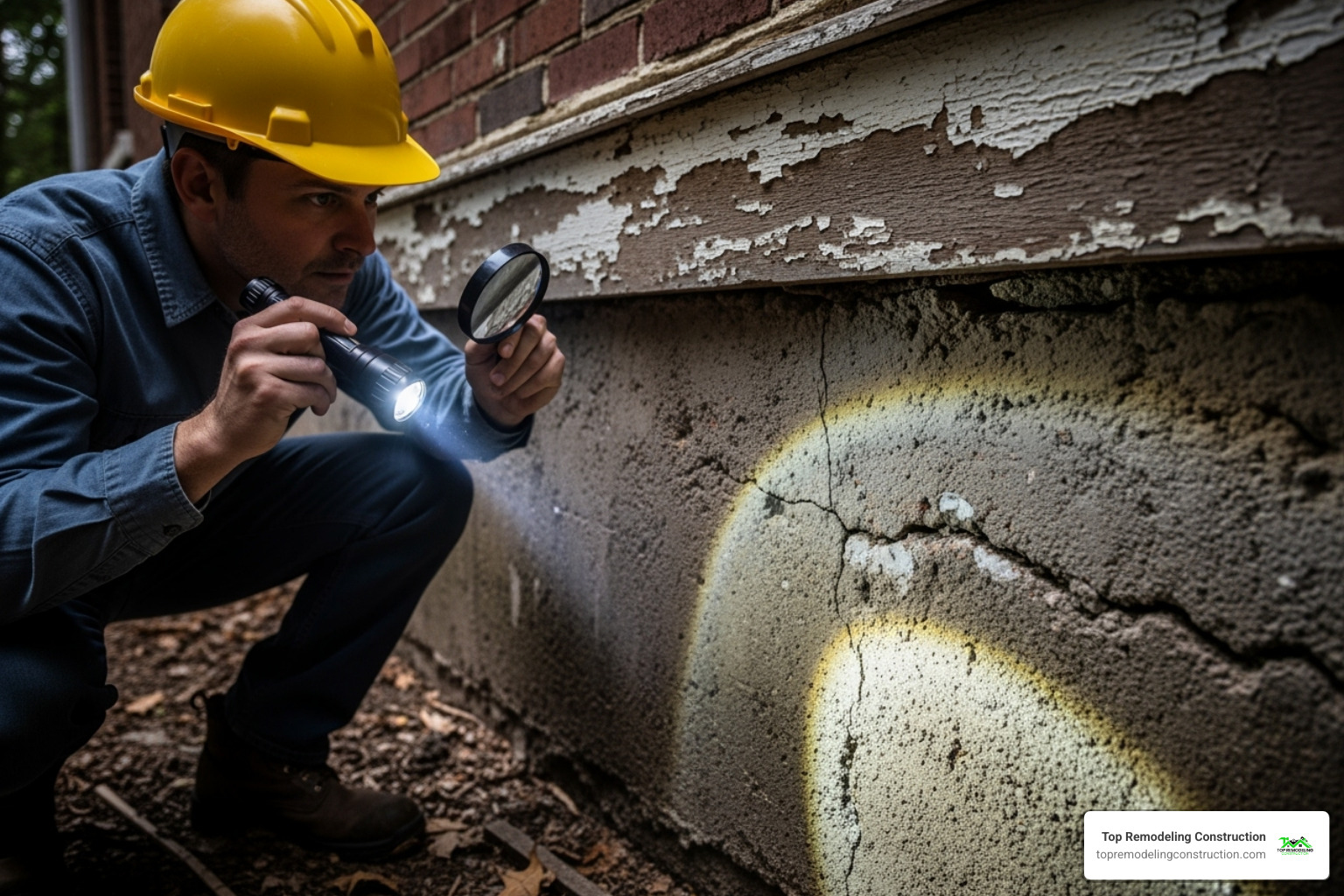
House age is a major cost driver. Homes built before the 1950s often contain lead paint, asbestos, knob-and-tube wiring, and plaster walls. These require specialized, costly handling for safety. Homes from the 1930s or earlier almost always need complete electrical and plumbing overhauls to meet current codes.
Square footage matters, but smaller old homes can sometimes cost more per square foot than larger ones, especially if they need extensive structural work.
Geographic location significantly impacts your budget. Labor costs in metropolitan areas can be double or triple those in rural locations.
Scope of work is where you have the most control. Light cosmetic updates might run $15 to $60 per square foot, while a complete gut renovation can hit $60 to $150 per square foot or more.
Material quality offers a chance to balance the budget. You can mix and match, splurging on high-impact items like kitchen countertops while saving on others.
Structural integrity is the source of many surprises. Foundation issues, rotting wood, and sagging floors often reveal themselves only after demolition begins, which is why a contingency fund is essential.
Permit costs usually range from $500 to $2,500 for major projects, but they add to the budget and can extend your timeline. These factors combine uniquely for every project, making each renovation a custom puzzle to solve.
Renovation vs. Remodeling: How Does it Affect the Budget?
Here’s a distinction that can save you thousands of dollars in planning mistakes. People use “renovation” and “remodeling” like they mean the same thing, but your wallet knows the difference.
Renovation is refreshing what’s already there without changing the building’s structure. Think painting walls, refinishing those gorgeous original hardwood floors, or updating light fixtures. These projects are generally less expensive, involve fewer specialized trades, and typically don’t require permits.
Remodeling is surgery. You’re changing the actual structure or layout of your space. This means moving or removing walls, completely reconfiguring a kitchen layout, or converting an attic into a bedroom. Remodeling costs significantly more due to the need for skilled trades like carpenters and plumbers, structural engineers, and permits. Opening up walls in an old house often reveals “bonus” projects that weren’t in the original plan.
The cost difference is dramatic. Painting a kitchen (renovation) might cost a few thousand dollars, while changing its layout (remodeling) could easily run $40,000 or more. Be clear on whether you’re renovating or remodeling—your budget will thank you.
Cost Breakdown by Room and Project Type
When you’re planning an old house renovation, it helps to think room by room. Each space comes with its own personality – and its own price tag. Here we detail the typical expenses for renovating specific areas of an old house, highlighting which projects offer the best return on investment.
Kitchen Renovation Costs in an Old House
Let’s start with the room that tends to eat up the biggest chunk of your budget – but also delivers the most bang for your buck. The kitchen renovation consistently offers the highest return on investment of any home improvement project.
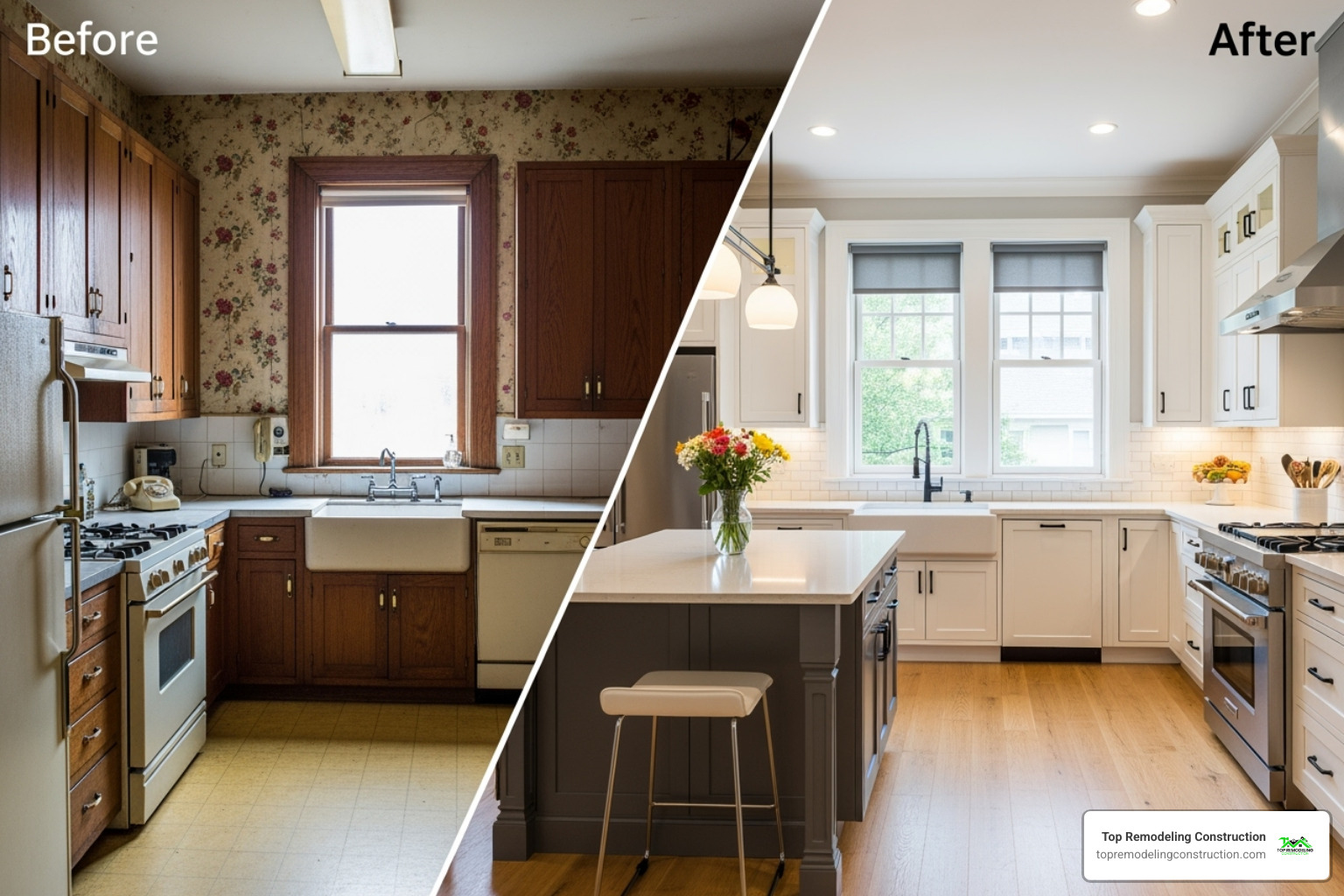
For most homeowners, kitchen renovation costs fall between $14,550 and $40,400. However, old houses rarely stick to averages due to surprises hiding behind walls and under floors.
Cabinetry is typically the largest expense. Stock cabinets are affordable, but old homes often have non-standard dimensions requiring custom or semi-custom solutions.
Countertops range from budget-friendly laminate to luxurious marble.
Appliances vary wildly in cost. Consider what you truly need versus what looks impressive in a showroom.
Plumbing updates are common. We frequently find corroded galvanized steel or cast iron pipes that need complete replacement. Moving a sink or adding a dishwasher often means opening walls and floors.
Electrical work is another challenge. Older kitchens lack sufficient outlets for modern life and often require panel upgrades and new circuits to handle today’s appliances safely.
A well-planned kitchen renovation transforms how you live.
Bathroom Remodel Costs
Bathrooms in old houses are fascinating spaces. They often feature charming details like pedestal sinks and clawfoot tubs, but they can also harbor decades of moisture damage and outdated systems.
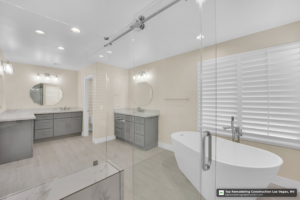
Typical bathroom renovation costs range from $6,600 to $28,000. Old house bathrooms often land on the higher end of this range.
Fixtures and tiling provide the most visual impact, but the real costs often hide behind the walls.
Plumbing challenges are almost guaranteed. We regularly uncover outdated or corroded pipes that need immediate replacement. Moving a toilet can become a major project.
Ventilation is a common issue. Without proper exhaust fans, moisture builds up and causes long-term damage. Installing adequate ventilation is key.
Waterproofing is critical in older structures. Modern techniques prevent moisture from reaching original wood framing.
Despite these challenges, a thoughtfully renovated bathroom dramatically improves daily comfort and adds significant value to your home.
Basement, Attic, and Structural Renovations
Beyond the main living areas, old houses often hold untapped potential – and sometimes urgent needs. These projects represent some of the most significant old house renovation costs, but they can also open up tremendous value.
Basement finishing typically costs $12,000 to $35,000. Old basements often require significant work to address moisture issues and low ceiling heights before they can become livable spaces.
Attic conversions can range from $4,500 for simple storage to $80,000 or more for a full living space. Costs depend on adding dormers, extending HVAC, and ensuring proper insulation.
Foundation repair is a critical expense that can’t be ignored. Problems like cracks or settling need immediate professional attention before other improvements can begin.
Roof replacement costs typically run $5,700 to $16,000. Old houses may have materials like slate that require specialized, more expensive installation.
Window upgrades can cost $4,500 to $22,500 and transform your home’s comfort and energy efficiency. Historic homes may benefit from restoring original windows rather than replacing them.
These structural improvements form the foundation of a successful renovation.
Budgeting for Hidden Problems and Unexpected Expenses
Here’s the thing about old houses – they’re like that charming friend who always has “just one more story” to tell. Except in this case, each story costs money. What starts as a simple kitchen update can quickly turn into a full electrical rewiring project when you find knob-and-tube wiring hiding behind those beautiful plaster walls.
Older homes are notorious for surprises, and these surprises are a major factor in old house renovation costs. This section will help you prepare for the unexpected and create a financial plan that won’t leave you scrambling when your 1920s bungalow reveals its secrets.
Common Unexpected Costs in Old House Renovations
Every contractor has stories about opening up a wall and finding something completely unexpected. In old homes, “unforeseen conditions” aren’t just possible – they’re practically guaranteed. Here are the most common culprits that can throw your budget off track:
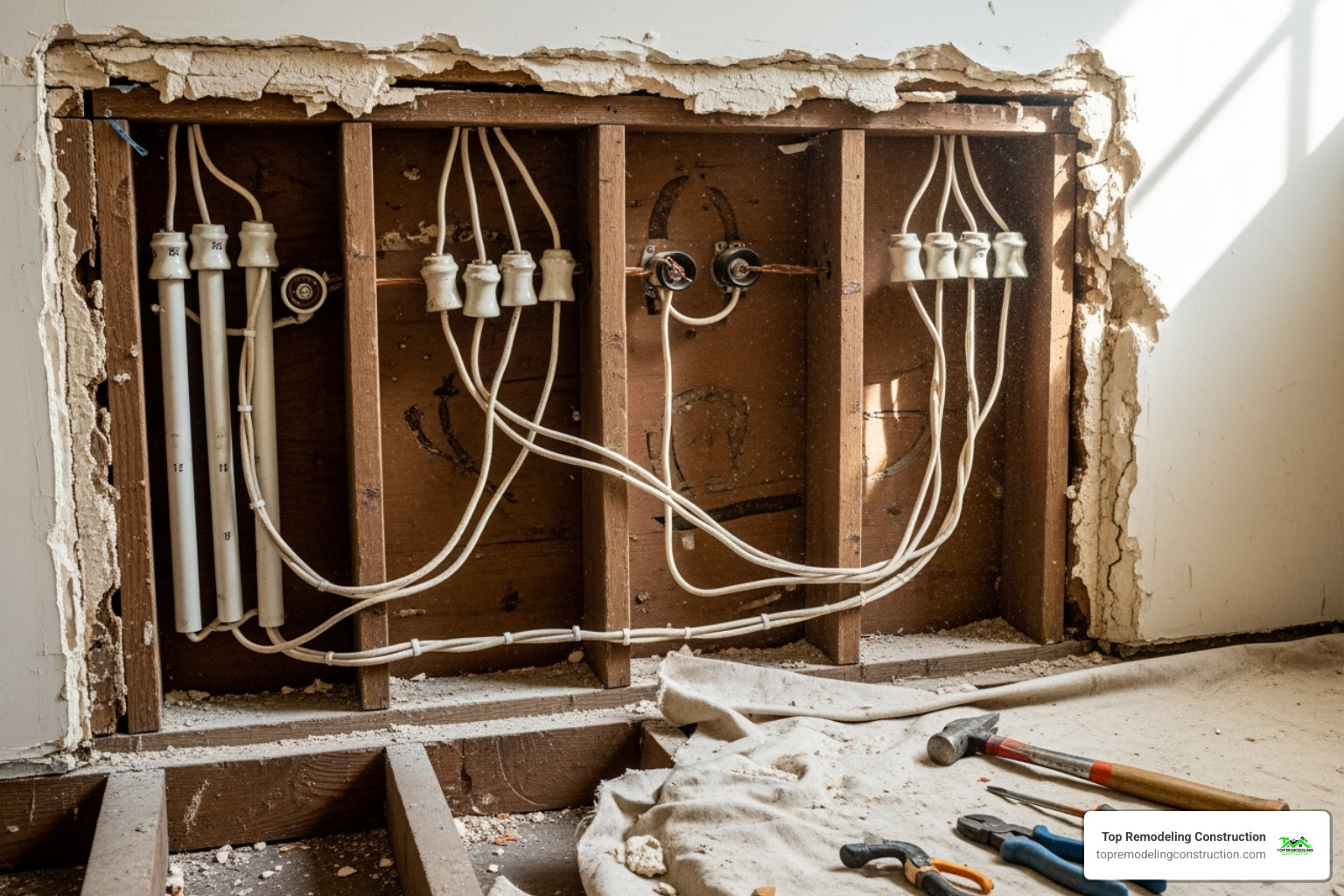
- Asbestos abatement: Found in insulation, flooring, and other materials in homes built from the 1930s-1980s, asbestos requires professional removal that can add thousands to your budget.
- Lead paint removal: Affecting most homes built before 1978, disturbing lead paint requires strict safety protocols and professional remediation.
- Outdated electrical systems: Knob-and-tube wiring or insufficient electrical panels are common and can require a full system overhaul, costing up to $12,000 or more.
- Plumbing problems: Corroding galvanized steel, cast iron, or lead pipes often need complete replacement, which involves opening walls and floors. The Philadelphia Rowhouse Manual specifically warns about checking for lead in old plumbing systems.
- Wood rot and pest infestations: Termite damage, rot from hidden leaks, or even bat colonies can lead to expensive, specialized removal and repair costs.
- Structural surprises: Sagging floors, damaged load-bearing walls, or foundation issues require immediate, costly repairs before other work can proceed.
The key is accepting that these surprises will happen. It’s not pessimistic planning – it’s realistic planning.
Budgeting Tips to Manage Your Old House Renovation Costs
Smart budgeting for an old house renovation isn’t just about adding up material and labor costs. It’s about creating a financial strategy that can handle whatever your house throws at you. Here’s how to approach it:
- Create a detailed plan: Prioritize needs (structural, systems) over wants (finishes) to prevent scope creep.
- Get multiple quotes: Compare bids from at least three reputable contractors to understand the full scope and cost.
- Set a contingency fund: Earmark 15-20% of your total budget for unexpected expenses. This is non-negotiable for old homes.
- Reuse and renovate materials: Refinishing original hardwood floors, doors, or trim can save money and preserve character.
- Schedule work in the off-season: Contractors may offer more competitive rates during slower periods like winter or early spring.
- Consider mid-range materials: These often provide the best balance of quality, durability, and cost.
- Maximize existing space: Finishing a basement or attic is usually more cost-effective than building an addition.
How to Finance Your Renovation Project
Once you have a realistic understanding of your old house renovation costs, you need a financing strategy that works for your situation. Fortunately, there are several options designed specifically for renovation projects:
- Cash savings: The best option, as it involves no interest or debt.
- Home Equity Line of Credit (HELOC): Flexible financing where you only pay interest on what you use, ideal for handling unexpected costs.
- Home equity loans: A lump-sum loan with a fixed interest rate, good for projects with a set budget.
- Cash-out refinancing: Allows you to tap into home equity, potentially at a lower interest rate than your current mortgage.
- FHA 203k loans: Government-backed loans that roll the purchase price and renovation costs into a single mortgage, perfect for fixer-uppers.
- Personal loans: An option for smaller projects or if you lack home equity, though often with higher interest rates.
- Federal tax credits: The Inflation Reduction Act offers credits for energy-efficient upgrades.
- Government programs: Check for state and local grants or low-interest loans for specific improvements like lead remediation.
The right financing option depends on your financial situation, project scope, and comfort level with debt. Consider talking with a financial advisor to determine the best approach for your specific circumstances.
Project Timeline and The DIY vs. Professional Decision
Understanding the time commitment and deciding who will do the work are critical steps that significantly impact your budget and final outcome for your old house renovation costs.
How Long Does an Old House Renovation Take?
When friends ask us how long their old house renovation will take, we always start with the same answer: “It depends.” But that’s not very helpful, is it? Let’s break down what you can realistically expect.
Most substantial whole-house renovations take between 2 to 8 months. If you’re just doing cosmetic updates like painting and new fixtures, you might be looking at 1 week to 2 months. But if you’re gutting the place and starting fresh? Plan for the longer end of that timeline.
Key factors that extend your timeline include:
- Project scope: Moving walls and reconfiguring systems takes far longer than cosmetic updates.
- Permits: Securing permits can take months. For one 110-year-old home renovation, permitting alone took a full year.
- Contractor availability: The best contractors are often booked months in advance.
- Weather delays: Can halt exterior work like roofing or foundation repairs.
- Material delivery issues: Supply chain hiccups can pause your entire project for weeks or months.
- Hidden problems: Finding asbestos or structural damage will add time for necessary remediation.
A good rule of thumb is to add 25-50% to your estimated timeline to account for delays.
DIY vs. Hiring a Professional Contractor
This is where many homeowners get stars in their eyes about saving money. And yes, you can save thousands by doing some work yourself. But let’s talk honestly about when DIY makes sense and when it’s better to call the pros.
DIY can be a great way to save money for tasks like painting, simple tiling, and demolition. These jobs are more forgiving, and mistakes are less likely to be catastrophic.
However, always hire professionals for structural work, electrical systems, and plumbing. Mistakes in these areas can lead to fires, floods, or structural failure. Most cities require licensed contractors for this type of permitted work anyway.
Before you decide to DIY, consider the time commitment and your skill level. A job that takes a pro two days might take you three weekends, and a poor result may need to be redone by a professional, erasing any savings.
Finding qualified contractors is crucial for old homes. Seek recommendations and check licenses and insurance. Look for contractors with specific experience in older homes who anticipate their unique challenges. The Window Preservation Alliance Directory is a useful resource for finding specialists.
The sweet spot? Do the prep work and finishing touches yourself, and hire pros for the technical stuff. You can demo, prime, and paint, but let an expert upgrade the electrical panel. A good contractor also manages the project, which is often worth the cost alone.